Key Takeaways
-
Bruxism occurs in two forms: sleep bruxism (intense, unconscious grinding) and awake bruxism (stress-related habit), each requiring different treatment approaches like nightguards versus stress management.
-
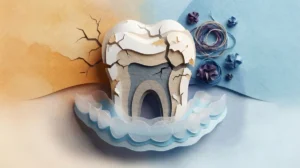
Early detection of bruxism through dental checkups is critical because untreated grinding causes permanent damage including cracked teeth, worn enamel, and TMJ disorders that are expensive and painful to fix.
-
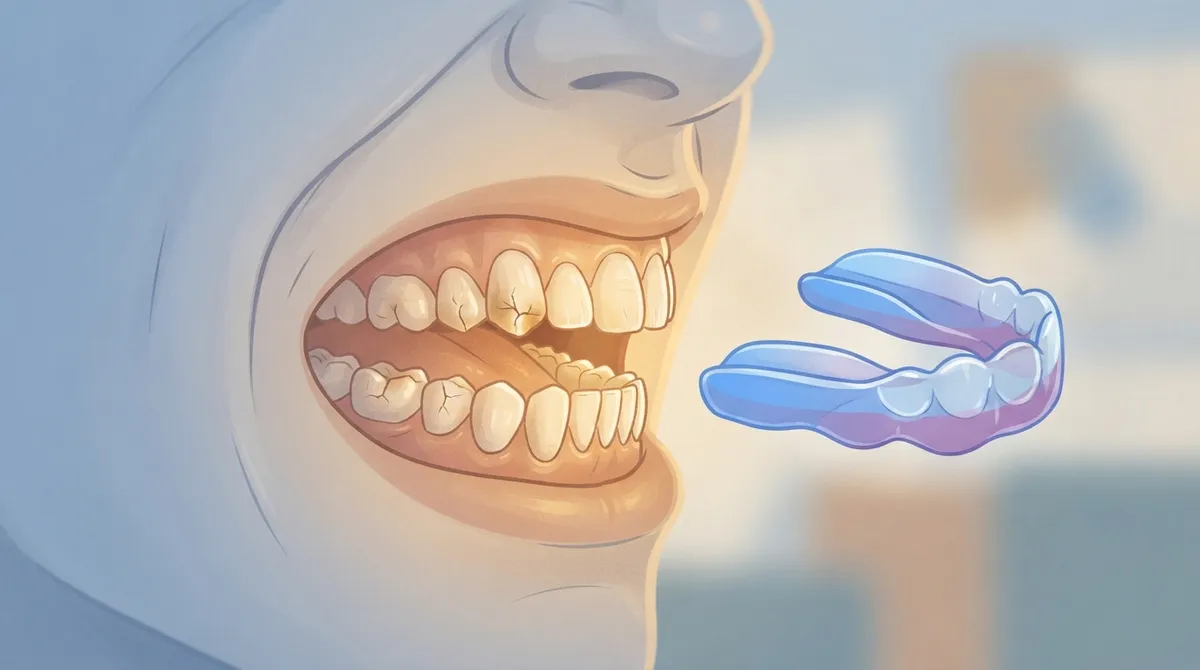
Custom-fitted nightguards are the most effective solution for sleep bruxism, creating a protective barrier between teeth and preventing enamel damage more effectively than over-the-counter options.
-
Stress, sleep disorders, misaligned teeth, and lifestyle factors like caffeine and smoking are the primary causes of bruxism; identifying your personal triggers enables targeted treatment.
-
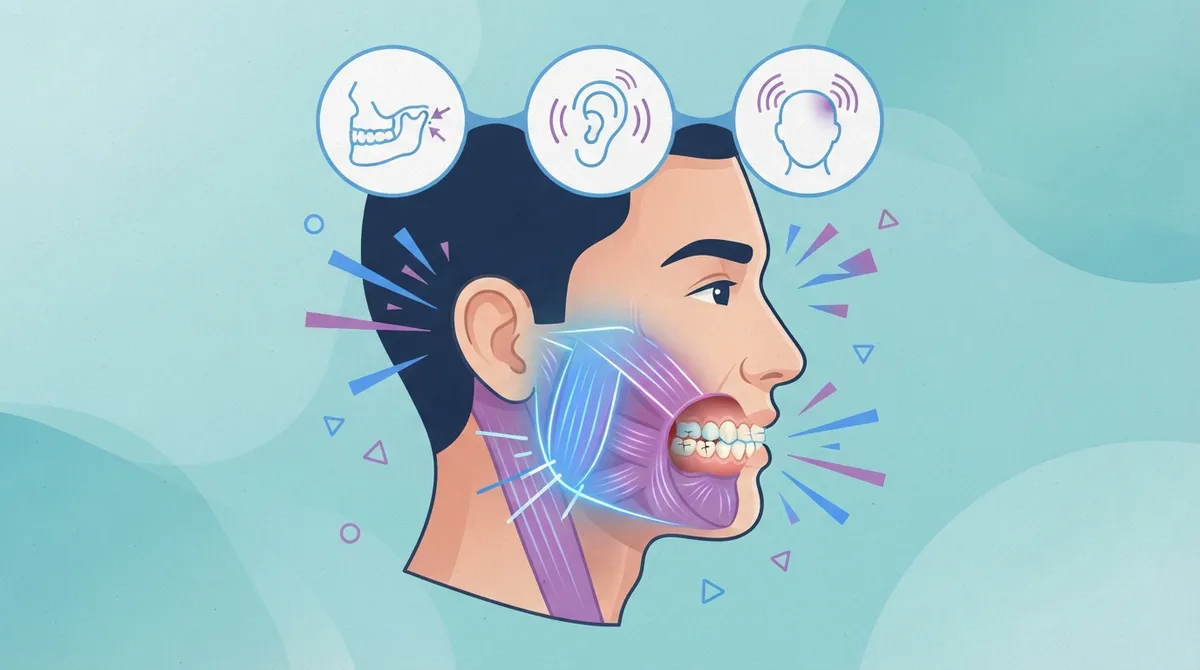
Common warning signs include morning jaw soreness, frequent headaches, worn-down or chipped teeth, increased tooth sensitivity, and jaw clicking; family members may hear grinding sounds at night.
-
Stress management techniques, bite correction with Invisalign, and same-day ceramic crowns for damaged teeth provide comprehensive treatment options depending on bruxism's underlying cause.
Do you ever wake up with a sore jaw or a dull headache? Maybe your partner has mentioned hearing strange grinding sounds at night. If this sounds familiar, you might be dealing with bruxism. Don’t worry, you are not alone, and this condition is more common than you think. Here at Dental Theory in Brandon, FL, we help patients of all ages understand and manage this issue every single day.
Bruxism is simply the medical term for grinding or clenching your teeth. It can happen while you sleep or even during the day when you are stressed. Many people don’t even realize they are doing it until a dentist points out the warning signs during a checkup. The good news? Bruxism is very treatable once you know what’s causing it. Let’s break down everything you need to know in simple, friendly terms.
What Is Bruxism, Exactly?
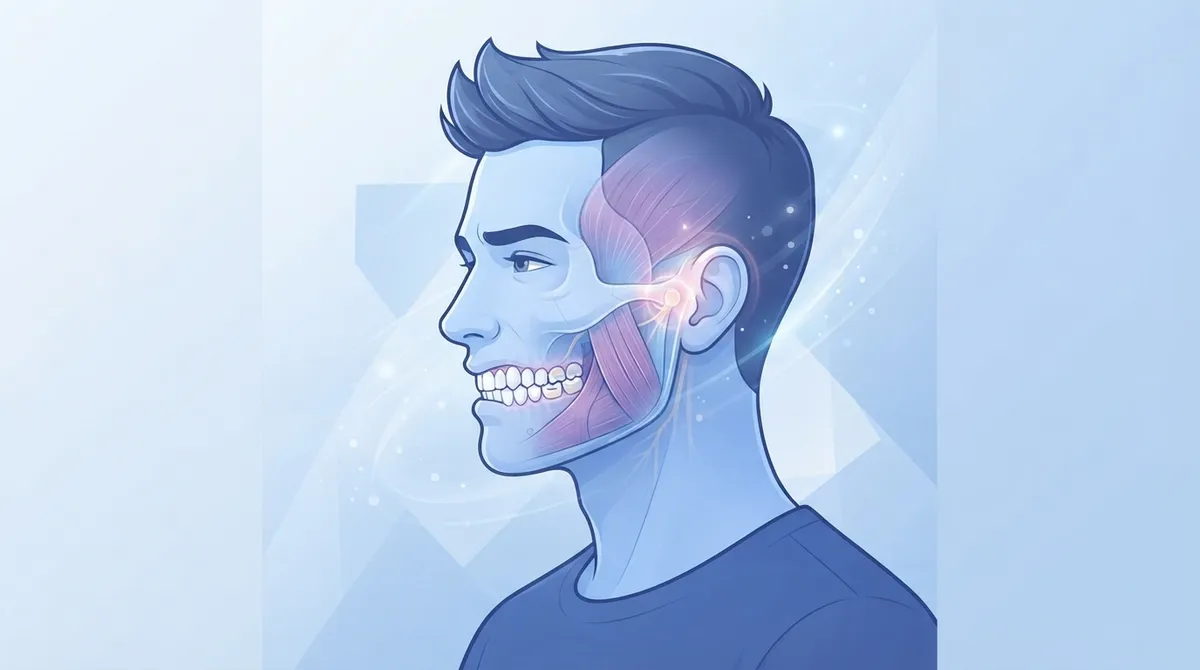
Bruxism is when you grind, gnash, or clench your teeth without meaning to. It can happen at night while you sleep, which is called sleep bruxism. It can also happen during the day, often when you’re focused or feeling stressed. This is called awake bruxism.
Your jaw muscles are some of the strongest in your body. When they clench over and over, they put a lot of pressure on your teeth. Over time, this can wear down your enamel, crack your teeth, or even loosen them. That’s why catching bruxism early really matters.
Sleep Bruxism vs. Awake Bruxism
These two types of bruxism are actually pretty different. Sleep bruxism tends to be more intense because you have no control over it while you’re unconscious. Awake bruxism is more about habit and stress, and you can often catch yourself doing it.
| Type | When It Happens | Common Cause | Typical Symptom |
|---|---|---|---|
| Sleep Bruxism | During sleep | Sleep disorders, stress | Morning jaw pain |
| Awake Bruxism | During the day | Stress, focus, anxiety | Jaw clenching, tight muscles |
Common Signs You Might Have Bruxism
Many patients tell us they had no idea they were grinding their teeth until we spotted the signs during a routine visit. Here are some common symptoms to watch for:
- Waking up with a sore or tight jaw
- Frequent headaches, especially in the morning
- Teeth that look flattened, chipped, or worn down
- Increased tooth sensitivity to hot or cold
- Jaw clicking or popping sounds
- Sore facial muscles or neck pain
- A partner mentioning grinding noises at night
If any of these sound familiar, it’s a good idea to get in touch with our team at Dental Theory for a checkup. We can look closely at your teeth and jaw to figure out what’s really going on.
What Causes Bruxism?
There isn’t just one single cause of bruxism. It’s usually a mix of a few different factors working together. Understanding your personal triggers can help you and your dentist create the right treatment plan.
Stress and Anxiety
This is one of the biggest culprits. When life gets busy or stressful, your body holds tension in unexpected places, like your jaw. Many people clench their teeth without even noticing when they’re focused or anxious.
Sleep Disorders
Conditions like sleep apnea are closely linked to teeth grinding. If your breathing is disrupted at night, your body may respond by clenching your jaw. This is one reason dentists often ask about sleep quality during exams.
Misaligned Teeth or Bite Issues
Sometimes bruxism happens because your teeth simply don’t line up the way they should. An uneven bite can cause your jaw to work overtime trying to find a comfortable resting position.
Lifestyle Factors
Caffeine, alcohol, smoking, and certain medications can also contribute to bruxism. Even something as simple as chewing gum too often can train your jaw muscles to overwork themselves.
Steps to Take If You Suspect Bruxism
If you think you might be grinding your teeth, here’s a simple plan to follow:
- Pay attention to morning symptoms like jaw soreness or headaches
- Ask family members if they’ve heard grinding sounds at night
- Schedule a dental exam to check for wear patterns on your teeth
- Discuss stress levels and sleep habits with your dentist
- Follow your dentist’s recommended treatment plan, which may include a nightguard
- Practice relaxation techniques to reduce daytime clenching
- Attend regular checkups to monitor your progress
Our team walks you through each of these steps in a friendly, no-pressure way. We want you to feel comfortable and informed, not overwhelmed.
How Dentists Diagnose Bruxism
Diagnosing bruxism usually starts with a simple conversation and a visual exam. During your comprehensive dental exam, we look for specific wear patterns on your teeth. We also check your jaw muscles for tenderness and listen for clicking sounds when you open and close your mouth.
Sometimes we use digital x-rays to get a clearer picture of what’s happening beneath the surface. This helps us rule out other issues and confirm bruxism as the cause of your symptoms.
Treatment Options for Bruxism
The good news is that bruxism is very manageable once it’s properly diagnosed. Treatment really depends on what’s causing your grinding in the first place.
Custom Nightguards
A custom-fitted nightguard is one of the most common and effective solutions. It creates a soft barrier between your upper and lower teeth, protecting your enamel while you sleep. Unlike store-bought options, a custom guard fits your mouth perfectly for maximum comfort.
Stress Management Techniques
Since stress plays such a big role in bruxism, learning to manage it can make a real difference. Simple habits like deep breathing, exercise, or even a warm bath before bed can help relax your jaw muscles.
Correcting Bite Issues
If misaligned teeth are contributing to your grinding, treatments like Invisalign may help realign your bite over time. A properly aligned bite often reduces the strain that leads to clenching.
Restoring Damaged Teeth
If bruxism has already caused chips, cracks, or significant wear, restorative options may be needed. Dr. K offers same-day ceramic crowns for patients who need quick, reliable repairs without multiple office visits. This means you can protect and restore your smile in a single appointment.
| Treatment | Best For | How It Helps |
|---|---|---|
| Custom Nightguard | Sleep bruxism | Protects teeth from grinding damage |
| Stress Management | Awake bruxism | Reduces jaw clenching triggers |
| Invisalign | Bite misalignment | Corrects tooth positioning |
| Same-Day Ceramic Crowns | Damaged teeth | Restores strength and function in one visit |
Why Ignoring Bruxism Can Be Risky
It’s tempting to brush off a little jaw soreness. But over time, untreated bruxism can lead to bigger problems. Here’s what can happen if it goes unmanaged:
- Cracked or fractured teeth that require crowns or extractions
- Increased tooth sensitivity from worn enamel
- Chronic jaw pain or TMJ disorders
- Frequent tension headaches
- Damage to existing dental work like fillings or crowns
Catching bruxism early can save you time, discomfort, and money down the road. Regular dental visits make it much easier to spot these warning signs before they become serious.
Bruxism in Children
Believe it or not, kids can grind their teeth too. It’s actually pretty common in young children, especially as their teeth and jaws develop. Many kids outgrow it naturally, but some may need guidance from a pediatric dentist.
Dr. Pri, our board-certified pediatric dentist, understands how to gently evaluate grinding habits in children. If your child seems anxious or has trouble during dental visits, our practice offers in-office sedation options specifically designed for kids. This helps ensure a calm, stress-free experience for even the most nervous little patients.
Tips to Help Prevent Bruxism
While you can’t always avoid grinding completely, these habits can lower your risk:
- Cut back on caffeine, especially in the afternoon and evening
- Avoid chewing gum or pens throughout the day
- Practice relaxation exercises before bed
- Keep a consistent sleep schedule
- Stay hydrated and limit alcohol intake
- Visit your dentist regularly for checkups
Why Choose Dental Theory for Bruxism Care
At Dental Theory in Brandon, we take a friendly, personalized approach to every patient’s care. Our office combines the latest technology with a warm, welcoming environment so you never feel rushed or judged. Whether you need a custom nightguard, a same-day crown, or guidance managing stress-related grinding, we’re here to help every step of the way.
Dr. Chris Karapasha brings years of experience to adult and cosmetic dentistry, and his expertise has even been recognized nationally. In fact, Dr. Chris Karapasha has been named one of America’s Top Young Dentists in Incisal Edge magazine’s 2025 40 Under 40. You can also check out his Gold+ Invisalign provider profile to learn more about his orthodontic experience.
We also love connecting with our community. Feel free to visit us on Facebook to see updates, patient stories, and helpful dental tips. And if you want to hear directly from our patients, visit us on Google — Dental Theory to read real reviews from the Brandon community.
For families needing extra support around the home during dental recovery, local partners like BluHalo offer helpful indoor air quality solutions, while DynaMight Movers can make relocating to the Brandon area a little easier if you’re new here.
When to See a Dentist About Bruxism
You don’t need to wait until your symptoms become severe. If you notice any warning signs, even mild ones, it’s worth scheduling a visit. Early treatment is always easier and more affordable than fixing major damage later.
Our team can also help you understand related conditions, like TMJ disorders linked to bruxism, and how they connect to your overall oral health. We believe in treating the whole picture, not just the symptoms.
Ready to Protect Your Smile?
Bruxism doesn’t have to control your comfort or your smile. With the right diagnosis and treatment plan, you can protect your teeth and wake up feeling refreshed instead of sore. Our friendly team at Dental Theory is ready to guide you through every step, from diagnosis to treatment.
If you’re ready to take the next step, contact Dental Theory today to schedule your evaluation. You can also schedule an appointment online in just a few clicks. We can’t wait to help you smile with confidence again, pain-free and worry-free.
FAQs
Q: What is bruxism and how do I know if I have it?
A: Bruxism is when you grind or clench your teeth, often without even realizing it. Common signs include jaw soreness, morning headaches, and worn-down teeth. If this sounds familiar, our friendly team at Dental Theory can check for warning signs during your next visit.
Q: Can bruxism damage my teeth permanently?
A: Yes, untreated bruxism can wear down enamel, crack teeth, and even damage existing dental work. The good news is that early treatment, like a custom nightguard, can prevent lasting damage. We’re always here to help you catch it early.
Q: Do children get bruxism too?
A: Absolutely, many kids grind their teeth as their jaws and teeth develop, and most outgrow it naturally. Dr. Pri, our board-certified pediatric dentist, can gently evaluate your child’s habits and offer guidance if needed.
Q: What treatments help stop teeth grinding?
A: Treatment depends on the cause, but options include custom nightguards, stress management techniques, and correcting bite alignment with Invisalign. For damaged teeth, Dr. K offers same-day ceramic crowns to restore your smile quickly.
Q: Is bruxism caused by stress?
A: Stress is one of the most common triggers for bruxism, especially the awake type. Learning relaxation techniques and maintaining a consistent sleep schedule can really help reduce clenching and grinding over time.
Our Service Area