Key Takeaways
-
Wear a custom-fitted night guard designed specifically for your mouth, as it's one of the most effective tools to protect teeth from grinding damage while you address the underlying stress.
-
Practice relaxation techniques before bed like deep breathing, meditation, or light stretching to help your body relax and reduce nighttime clenching episodes.
-
Cut back on caffeine and alcohol, especially in the hours before bedtime, as both increase muscle tension and disrupt sleep quality, worsening bruxism.
-
Maintain a consistent sleep routine by going to bed and waking at the same time daily, since poor sleep significantly increases grinding and stress-related jaw clenching.
-
Notice daytime jaw clenching and gently remind yourself to relax your jaw throughout the day; placing your tongue lightly behind your front teeth helps keep jaw muscles loose.
-
See your dentist regularly for routine checkups to catch bruxism early before it causes major damage like worn enamel, chips, or cracked teeth.
Do you wake up with a sore jaw or a nagging headache? You might be grinding your teeth at night without even knowing it. This condition is called bruxism, and stress is often the sneaky culprit behind it. The good news? You don’t have to just live with it. There are real, proven ways to calm your jaw, ease your stress, and protect your smile for years to come.
At Dental Theory in Brandon, FL, we see this all the time. Busy parents, stressed-out professionals, and even kids clench and grind more than you’d think. In this guide, we’ll walk you through why bruxism happens, how stress fuels it, and simple steps you can take today to find relief. Let’s get your jaw (and your peace of mind) back on track.

What Is Bruxism and Why Does Stress Make It Worse?
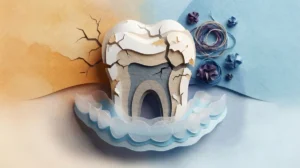
Bruxism is the medical term for grinding or clenching your teeth. It usually happens at night, but some people do it during the day too, especially when they’re focused or stressed. Your jaw muscles tense up without you realizing it, and over time, this can wear down your teeth.
Stress is one of the biggest triggers for bruxism. When your mind is racing with worry, your body often responds physically. Clenching your jaw becomes a subconscious outlet for that tension. It’s similar to how some people bite their nails or tap their foot when they’re anxious.
Here are some common signs that stress-related bruxism might be affecting you:
- Waking up with a sore or tight jaw
- Frequent headaches, especially in the morning
- Flattened, chipped, or cracked teeth
- Increased tooth sensitivity
- Clicking or popping sounds in your jaw joint
- Your partner tells you they hear grinding at night
If any of these sound familiar, you’re not alone. Bruxism is one of the most common dental concerns we treat. You can learn more about how it develops in our article on understanding TMJ and bruxism.
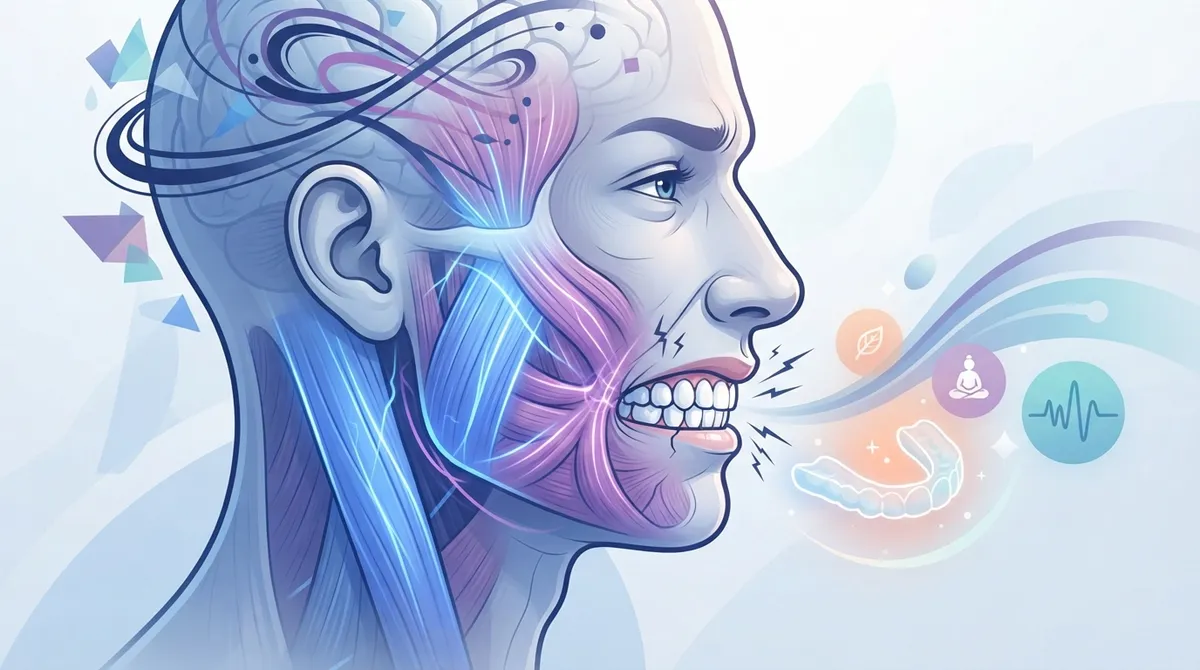
How Stress and Teeth Grinding Are Connected
Your body doesn’t separate emotional stress from physical stress. When you’re overwhelmed at work, worried about finances, or juggling family responsibilities, your muscles tighten. Unfortunately, your jaw is one of the first places that tension shows up.
Think of your jaw like a stress ball you don’t even know you’re squeezing. During the day, you might clench without noticing. At night, your brain processes stress through dreams, and that can trigger even more intense grinding while you sleep.
Common Stress Triggers That Lead to Bruxism
- Work deadlines and job pressure
- Financial worries
- Relationship or family conflict
- Poor sleep habits
- Too much caffeine or alcohol
- Major life changes, like moving or a new baby
Reducing stress in these areas can genuinely help reduce grinding. But since it’s not always possible to eliminate stress completely, your dental team can help protect your teeth while you work on the root cause.
7 Ways to Get Rid of Bruxism Stress
You don’t need to overhaul your entire life to see improvement. Small, consistent changes can make a big difference. Here are seven ways to reduce stress-related teeth grinding.
1. Wear a Custom Night Guard
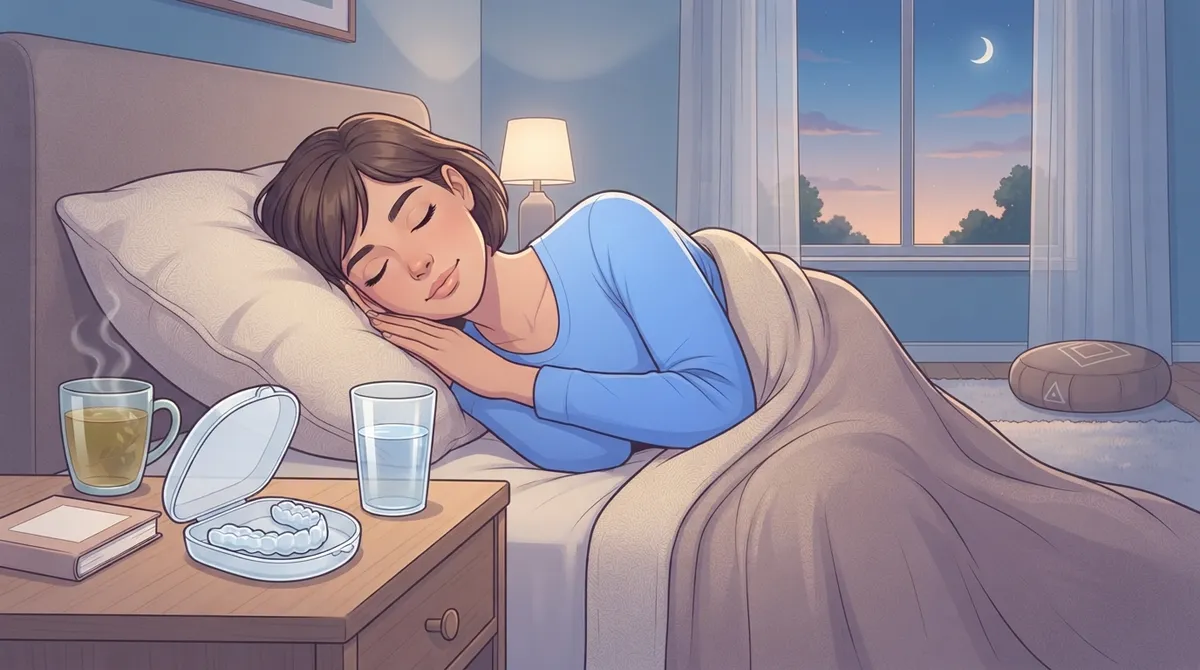
A custom-fitted night guard is one of the most effective tools against bruxism. Unlike store-bought versions, a guard made specifically for your mouth fits comfortably and protects your teeth from wear. Our team at Dental Theory can create a custom guard designed to fit your bite perfectly.
2. Practice Relaxation Techniques Before Bed
Try deep breathing, light stretching, or a few minutes of meditation before you sleep. This helps your body relax and can lower the chances of clenching overnight.
3. Cut Back on Caffeine and Alcohol
Both can increase muscle tension and disrupt sleep quality. Try swapping your afternoon coffee for water or herbal tea, especially in the hours before bedtime.
4. Improve Your Sleep Routine
Going to bed and waking up at the same time each day helps regulate your body’s stress response. Poor sleep often makes grinding worse, so a steady routine matters more than you’d think.
5. Address Jaw Tension During the Day
Notice when you’re clenching during the day and gently remind yourself to relax your jaw. Placing your tongue lightly behind your front teeth can help keep your jaw muscles loose.
6. Stay Active
Exercise is a natural stress reliever. Even a 20-minute walk can lower tension and help you sleep better, which reduces nighttime grinding.
7. Visit Your Dentist Regularly
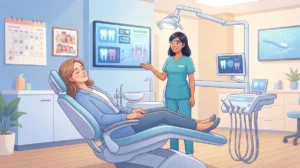
Routine dental visits help catch bruxism early before it causes major damage. Our team can spot the warning signs, like worn enamel or jaw tenderness, during a standard checkup. If you’re due for one, you can schedule an appointment with us today.
How Dental Theory Helps Treat Bruxism in Brandon, FL
At Dental Theory, we take a full approach to treating bruxism. We don’t just look at your teeth. We look at your whole picture, including sleep habits, stress levels, and bite alignment. Our general dentistry team can evaluate your symptoms and create a treatment plan that actually works for your lifestyle.
For adults dealing with jaw pain or worn teeth from grinding, Dr. Chris Karapasha, known to patients as Dr. K, offers expert care to restore comfort and function. Dr. K has been recognized for his skill in the field, and was recently named one of America’s top young dentists, as noted in Dr. Chris Karapasha’s feature in Incisal Edge magazine’s 2025 40 Under 40. He also holds a Gold+ status, which you can view on his Invisalign provider profile.
If grinding has already damaged a tooth, Dr. K offers Same-Day Crowns, so you never have to wait around or come back for a second visit. You can read more about how this works in our guide on same-day crowns benefits and process.
Comparing Bruxism Treatment Options
Not every treatment works the same for everyone. Here’s a simple breakdown to help you understand your options.
| Treatment Option | Best For | How It Helps |
|---|---|---|
| Custom Night Guard | Nighttime grinding | Protects teeth from wear and reduces jaw strain |
| Stress Management Techniques | Daytime clenching | Addresses the root emotional cause |
| Same-Day Crowns | Already damaged teeth | Restores tooth structure in one visit |
| Routine Dental Checkups | Early detection | Catches wear patterns before serious damage occurs |
| Lifestyle Changes | Long-term prevention | Reduces overall stress and tension |
Signs You Should See a Dentist for Bruxism
Some grinding is mild and only needs lifestyle changes. Other cases need professional attention right away. Here’s how to tell the difference.
- You notice visible cracks or chips in your teeth
- Your jaw feels stiff or locked in the morning
- You have frequent tension headaches
- Your fillings or crowns keep loosening
- Your teeth are becoming noticeably shorter or flatter
- You experience ongoing ear or facial pain
If you’re experiencing any of these, don’t wait. Damage from grinding tends to get worse over time. Our comprehensive exams can help identify exactly what’s going on and the best way to fix it.
Bruxism in Children: What Parents Should Know
Kids grind their teeth too, and stress can be a factor even at a young age. School pressure, changes at home, or simply growing new teeth can all contribute. If your child grinds their teeth, it’s worth mentioning to your pediatric dentist at their next visit.
Dr. Priyanka Karapasha, known as Dr. Pri, is a board-certified pediatric dentist who understands how stress and anxiety affect children’s oral health. For kids who feel nervous about dental visits, Dr. Pri also offers in-office sedation, making her uniquely equipped to provide gentle, compassionate care for anxious young patients in Brandon.
Simple Daily Habits to Reduce Grinding
Here’s a quick numbered list of habits you can start today to help ease tension and protect your smile.
- Set a reminder to check your jaw position throughout the day
- Apply a warm compress to your jaw before bed
- Avoid chewing gum, which can overwork jaw muscles
- Keep a consistent bedtime routine
- Limit screen time an hour before sleep
- Talk to someone you trust about ongoing stress
These small changes add up. Combined with a custom night guard and regular checkups, most patients see real improvement within a few weeks.
Why Choose Dental Theory for Bruxism Treatment
Families across Brandon trust Dental Theory because we treat the whole person, not just the teeth. Our friendly team uses the latest technology to diagnose bruxism early and create a plan that fits your life. Whether you need a custom night guard, a same-day crown repair, or guidance on managing stress, we’re here to help.
Want to see what our patients are saying? You can visit us on Google — Dental Theory to read real reviews from Brandon families. You can also visit us on Facebook to stay updated on our latest tips and office news.
Take the First Step Toward Relief
Bruxism stress doesn’t have to control your life or damage your smile. With the right support, you can protect your teeth, ease jaw tension, and finally get a good night’s sleep. Our team at Dental Theory is ready to help you find the relief you deserve.
Ready to stop the grinding and start feeling better? Contact Dental Theory today to schedule your visit and take the first step toward a calmer, healthier smile.
FAQs
Q: How do you get rid of bruxism stress naturally?
A: You can start by practicing relaxation techniques like deep breathing before bed, cutting back on caffeine, and sticking to a consistent sleep schedule. These small changes can really lower your stress levels and reduce grinding over time. Pairing them with a custom night guard from your dentist gives your teeth extra protection while you work on the root cause.
Q: Can a night guard really stop teeth grinding?
A: Yes, a custom night guard won’t stop the grinding urge itself, but it protects your teeth from the damage it causes. It’s a comfortable barrier that absorbs the pressure, so your enamel stays safe while you address the stress behind the habit. Many of our patients say it also helps them sleep more soundly.
Q: Is bruxism always caused by stress?
A: Not always, but stress is one of the most common triggers we see. Other factors like misaligned teeth, sleep disorders, or even certain medications can play a role too. That’s why it’s helpful to get a proper evaluation so we can pinpoint what’s really causing your grinding.
Q: Can children experience bruxism from stress?
A: Absolutely, kids can grind their teeth due to school pressure, changes at home, or even normal childhood anxiety. Dr. Pri specializes in gentle pediatric care and can help identify if your child’s grinding needs attention. Catching it early makes treatment much simpler.
Q: What happens if bruxism is left untreated?
A: Untreated bruxism can lead to worn-down teeth, chips, cracks, and even jaw pain that gets worse over time. It can also increase your risk of needing crowns or other restorative work down the road. The good news is that early treatment is usually simple and very effective.
Our Service Area