Key Takeaways
-
Dentists detect bruxism by examining flattened or worn tooth surfaces, cracks in teeth, jaw muscle tenderness, tongue/cheek indentations, and damage to dental work during routine checkups.
-
Early detection of bruxism through regular six-month dental visits can prevent serious tooth damage before you experience pain or noticeable symptoms yourself.
-
Custom night guards, stress management, bite correction, and same-day ceramic crowns are the main treatment options dentists recommend after confirming a bruxism diagnosis.
-
Common warning signs to watch for include waking with a sore jaw, morning headaches, increased tooth sensitivity, clicking jaw sounds, and visible tooth flattening.
-
Childhood bruxism is usually temporary and resolves naturally as baby teeth fall out, but should still be monitored by a pediatric dentist during regular visits.
-
Lifestyle changes like practicing relaxation techniques, reducing caffeine intake, and avoiding chewing on hard objects can help reduce teeth grinding when combined with professional treatment.
Do you wake up with a sore jaw or a dull headache almost every morning? You might be grinding your teeth at night without even knowing it. This condition is called bruxism, and it affects millions of people. The tricky part is that most people who grind their teeth have no idea they are doing it. That is where your dentist comes in. So how do dentists check for bruxism? Let’s walk through exactly what happens during an exam, what signs your dentist looks for, and what you can do about it once it’s found.
Whether you are a busy parent in Brandon watching for signs in your kids, or an adult dealing with jaw pain, understanding this process can bring peace of mind. At Dental Theory, our team looks for these warning signs at every routine checkup, because catching bruxism early can save your teeth from serious damage down the road.
What Is Bruxism, Exactly?
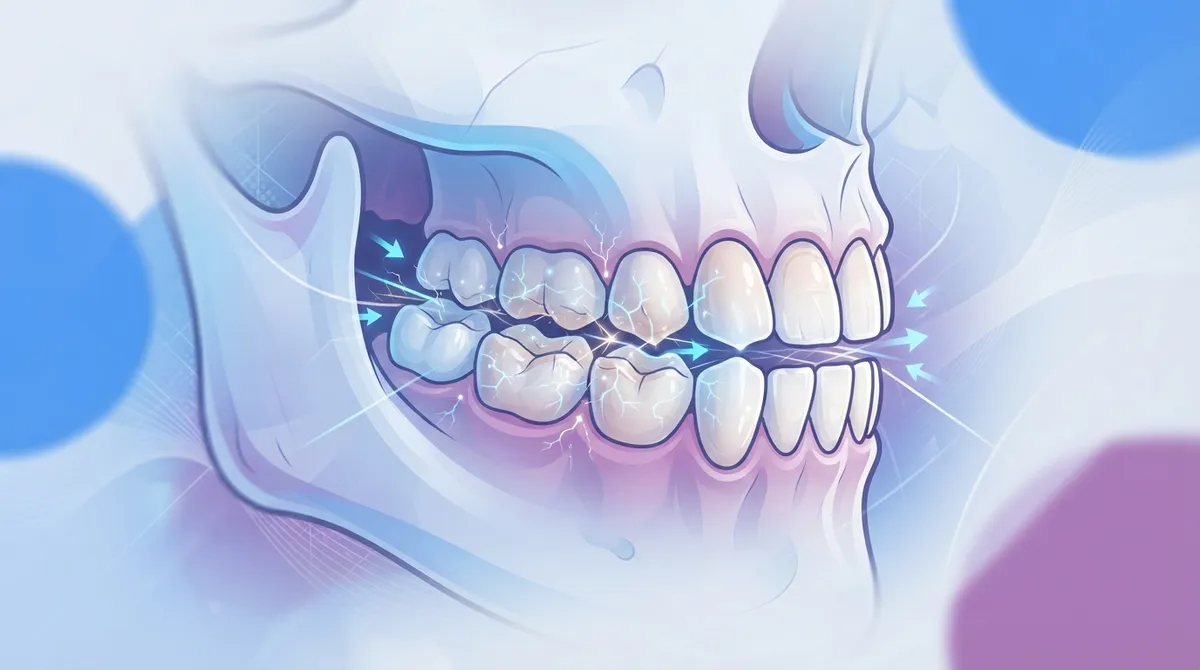
Bruxism is the medical term for grinding or clenching your teeth. It often happens while you sleep, but some people clench their jaw during the day too, usually without noticing. Stress, anxiety, misaligned teeth, and even certain sleep disorders can all play a role.
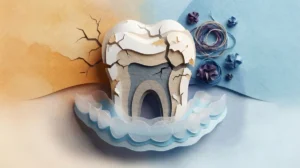
Over time, this grinding wears down tooth enamel, causes jaw pain, and can even lead to cracked teeth. Many people only find out they have bruxism when a partner complains about the grinding noise, or when a dentist spots the damage during a routine visit.

How Do Dentists Check for Bruxism? The Main Signs They Look For
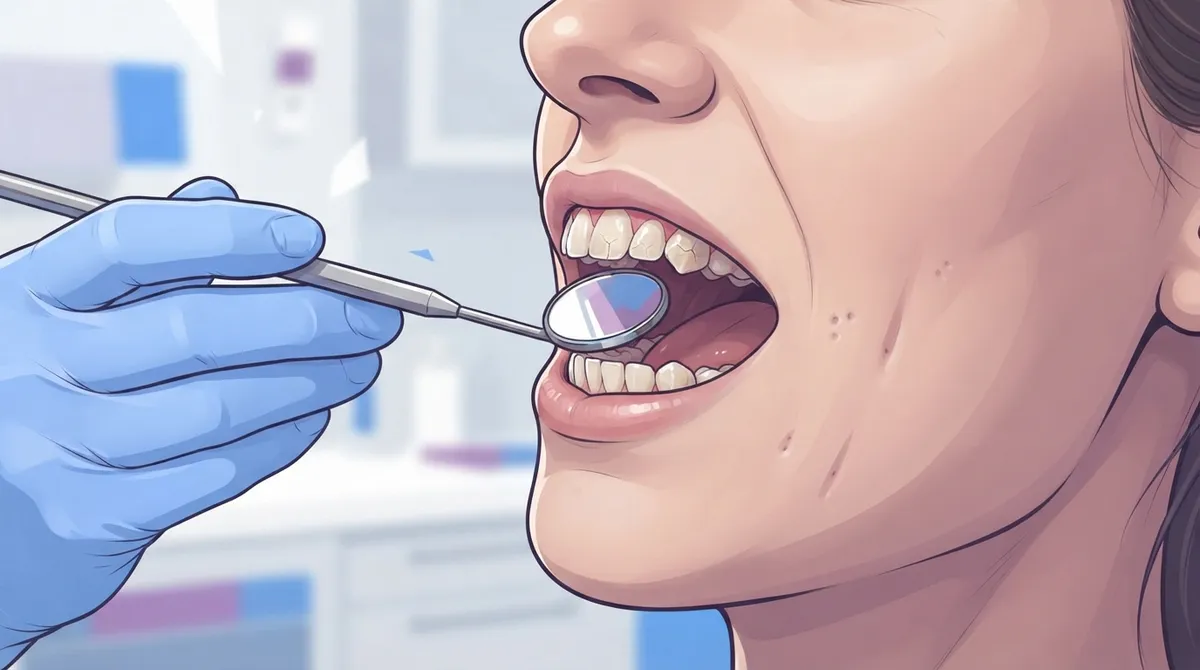
Dentists are trained to spot the physical clues that bruxism leaves behind. Since most grinding happens while you sleep, your dentist becomes the first line of detection. Here are the main things they check during your exam:
- Flattened or worn tooth surfaces: Grinding wears down the chewing surfaces of your teeth over time, making them look flat or shorter than normal.
- Cracks or chips in teeth: Small fractures often form from the repeated pressure of grinding, especially in your back molars.
- Jaw muscle tenderness: Your dentist may gently press along your jaw to check for sore or overly tight muscles.
- Tongue and cheek indentations: Clenching can leave scalloped marks on the sides of your tongue or the inside of your cheeks.
- Gum recession near the grinding area: Excess pressure on certain teeth can push the gum line back over time.
- Damage to dental work: Cracked fillings, chipped crowns, or loose dental work are common red flags.
These clues add up to a clear picture, even if you have never noticed a single symptom yourself. This is one reason routine checkups matter so much, and why comprehensive exams are such an important part of your dental care.
Step-by-Step: What Happens During a Bruxism Check
Wondering what an actual bruxism screening looks like at the dentist’s office? Here is the typical process, broken down into simple steps.
- Visual exam: Your dentist looks closely at each tooth for flattening, chips, or cracks.
- Bite check: They may ask you to bite down so they can see how your teeth line up and check for uneven wear patterns.
- Jaw palpation: Gentle pressure is applied to the jaw muscles to check for tightness or pain.
- Discussion of symptoms: Your dentist will ask about headaches, jaw pain, or if anyone has mentioned hearing you grind at night.
- X-rays if needed: In some cases, digital X-rays help reveal bone changes or hidden damage around the jaw joint.
- Review of dental history: Past dental work, like fillings or crowns, gets checked for unusual wear or cracks.
This entire process usually takes just a few extra minutes during your regular teeth cleaning visit. It is quick, painless, and can catch a problem long before it becomes serious.
Common Bruxism Symptoms You Might Notice at Home
While your dentist can confirm bruxism, you may notice some warning signs yourself. Pay attention to these common symptoms:
- Waking up with a sore or tight jaw
- Frequent morning headaches
- Increased tooth sensitivity to hot or cold
- A clicking or popping sound in your jaw joint
- Ear pain that is not related to an infection
- Visible flattening or chipping of your teeth
If any of these sound familiar, it is worth bringing up at your next appointment. Do not wait until the pain becomes constant. Early detection makes treatment much simpler.
Tools and Techniques Dentists Use
Beyond a visual exam, dentists have a few helpful tools to confirm a bruxism diagnosis. The table below breaks down what each method involves.
| Method | What It Detects | When It’s Used |
|---|---|---|
| Visual Exam | Tooth wear, chips, and flattening | Every routine checkup |
| Jaw Palpation | Muscle tightness or tenderness | When jaw pain is reported |
| Digital X-Rays | Bone changes, hidden fractures | If deeper damage is suspected |
| Patient Interview | Sleep habits, stress levels, headaches | At every new patient visit |
| Bite Analysis | Misalignment contributing to grinding | When wear patterns are uneven |
These combined methods give your dentist a full picture of what is happening, even without a sleep study. It is a simple, effective process that fits right into your normal dental visit.
Who Is Most at Risk for Bruxism?
Bruxism can affect anyone, but some groups are more likely to experience it. Understanding your risk can help you stay alert to the signs.
- Adults dealing with high stress or anxiety
- People with misaligned bites or missing teeth
- Children going through teething or losing baby teeth
- Those with sleep disorders like sleep apnea
- People who consume a lot of caffeine or alcohol
Interestingly, bruxism in children is often temporary and linked to growth changes, while adult bruxism tends to stick around longer and cause more noticeable damage. Regular visits to your general dentistry provider help track these changes as they happen.
What Happens After a Bruxism Diagnosis?
Once your dentist confirms bruxism, the next step is figuring out the best treatment plan. This usually depends on how severe the grinding is and what might be causing it. Common next steps include:
- Custom night guards to protect your teeth while you sleep
- Stress management tips or referrals if anxiety is a factor
- Correcting bite issues that may be contributing to the grinding
- Repairing any damaged teeth, including chips or cracks
- Follow-up visits to monitor progress and adjust treatment
If your bruxism has already caused damage, your dentist may recommend restorative options. For example, cracked or worn teeth can often be repaired with a dental crown. At Dental Theory, Dr. Chris Karapasha, known to patients as Dr. K, offers Same-Day Ceramic Crowns, so you never need multiple visits to fix a tooth damaged by grinding. You can learn more about this convenient option through our same-day crown process page.
Bruxism in Children: What Parents Should Know
Parents often worry when they hear their child grinding their teeth at night. The good news is that childhood bruxism is fairly common and usually goes away on its own as baby teeth fall out and permanent teeth come in. Still, it is worth mentioning during your child’s regular visits.
Our pediatric dentist, Dr. Priyanka Karapasha, known as Dr. Pri, is board-certified and keeps a close eye on grinding patterns during every pediatric checkup. If your child seems anxious about dental visits, Dr. Pri also offers gentle in-office sedation options to make the experience calm and comfortable, since she is uniquely qualified to provide this specialized care for children in Brandon.
Simple Ways to Reduce Teeth Grinding at Home
While professional treatment matters most, small lifestyle changes can also help reduce grinding. Try these simple tips:
- Practice relaxation techniques before bed, like deep breathing
- Cut back on caffeine, especially in the afternoon and evening
- Avoid chewing on pens, ice, or other hard objects during the day
- Stay consistent with your dental checkups so changes are caught early
- Talk to your dentist about a custom night guard if grinding continues
These small habits can make a real difference, especially when combined with regular monitoring from your dental team.
Why Routine Checkups Matter So Much
Bruxism often develops slowly, which makes it easy to miss without regular dental visits. A trained eye can spot small changes long before you feel any pain. This is one of the biggest reasons dentists recommend checkups every six months, even if you feel perfectly fine.
Our team at Dental Theory has been recognized for excellence in the field. In fact, Dr. Chris Karapasha has been named one of America’s Top Young Dentists in Incisal Edge magazine’s 2025 40 Under 40, a testament to the level of care patients receive at our Brandon office. You can also check out Dr. K’s Gold+ Invisalign Profile to see his broader expertise in smile care.
What Our Patients Are Saying
Curious what it’s like to visit our office? You can visit us on Google — Dental Theory to read real reviews from families across Brandon. You can also visit us on Facebook to see updates, patient stories, and helpful dental tips.
Ready to Get Your Jaw and Smile Checked?
Bruxism does not have to keep wearing down your smile. With a simple exam, your dentist can catch the signs early and help you protect your teeth for years to come. Whether you are noticing jaw pain yourself or worried about your child’s grinding habits, our team is here to help.
Ready to find out if bruxism is affecting your smile? Contact Dental Theory today to schedule your checkup, or schedule an appointment online at a time that works for your busy Brandon schedule. Your smile deserves this extra bit of care.
FAQs
Q: How do dentists check for bruxism during a regular checkup?
A: Your dentist looks for worn or flattened teeth, checks for jaw muscle tenderness, and may ask about headaches or jaw pain. It’s a quick, painless part of your normal exam, so there’s nothing to worry about!
Q: Can a dentist tell if I grind my teeth even if I don’t feel any pain?
A: Yes, absolutely! Many people with bruxism feel no pain at all, but the physical signs like flattened teeth or tiny cracks tell the story. That’s why regular visits are so helpful, even when you feel totally fine.
Q: Is bruxism in kids something parents should worry about?
A: Not usually! Childhood teeth grinding is pretty common and often fades away as baby teeth make room for permanent ones. Still, it’s a great topic to bring up with your pediatric dentist just to be safe.
Q: What happens if bruxism damages my teeth?
A: If grinding has caused chips or cracks, restorative options like a ceramic crown can repair the damage. The good news is Same-Day Crowns mean you can walk out with a fully restored tooth in just one visit.
Q: How often should I get checked for bruxism?
A: Your regular six-month dental checkup is the perfect time to catch bruxism early. Since damage builds up slowly, staying consistent with visits helps your dentist spot changes before they become a bigger problem.
Our Service Area