Key Takeaways
-
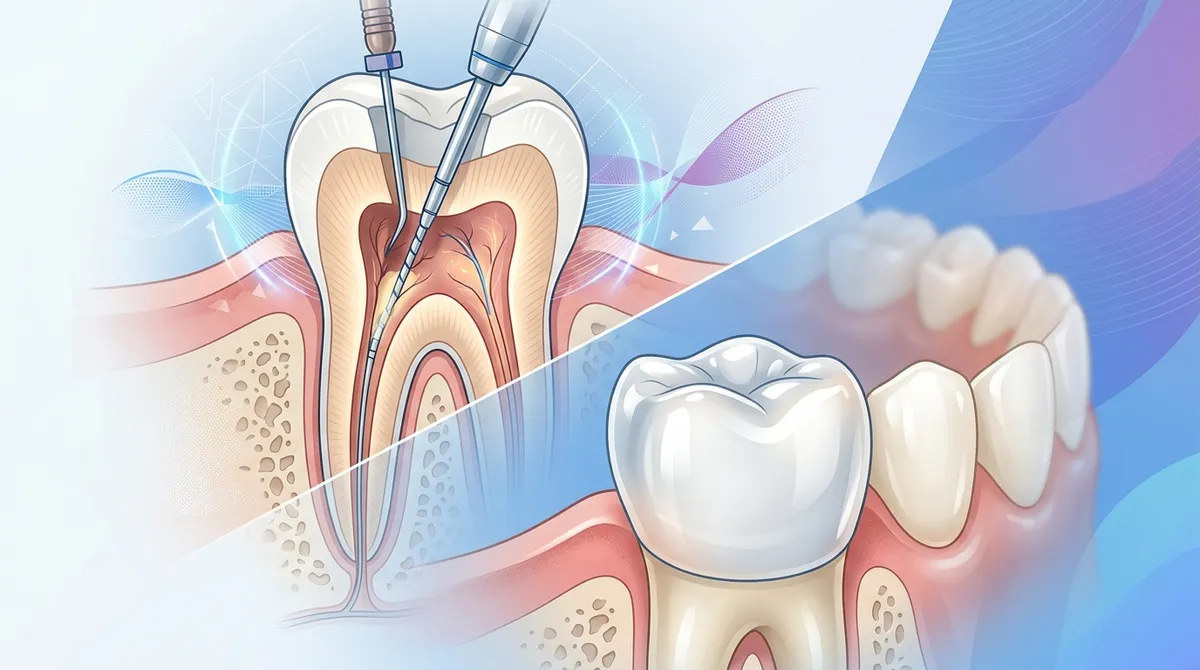
Root canals remove infected pulp to save badly damaged teeth, and modern procedures are no more uncomfortable than getting a filling thanks to advanced technology and local anesthesia.
-
Dental crowns are essential after root canals because they protect the weakened tooth from cracking under chewing pressure and restore its full function and appearance.
-
Same-day crown technology using CEREC allows patients to complete the entire root canal and crown process in a single appointment, eliminating temporary crowns and multiple visits.
-
Ceramic crowns last 10-15+ years with proper care including daily brushing, flossing, regular checkups, and avoiding hard foods or teeth grinding.
-
Skipping a crown after a root canal significantly risks tooth cracking, reinfection, tooth loss, and bite problems, making it a critical follow-up procedure.
-
Most dental insurance plans cover 50-80% of root canal costs and 50-70% of crown costs as restorative treatments, so checking coverage beforehand prevents billing surprises.
If your dentist has mentioned dental crowns and root canals in the same sentence, you might be feeling a little nervous. Don’t worry — you’re not alone! These two procedures often go hand in hand, and understanding how they work together can make the whole experience feel a lot less scary. Whether you’re dealing with a painful tooth or just want to be prepared, this guide breaks everything down in simple, friendly terms. By the end, you’ll know exactly what to expect, why these treatments matter, and how to get the best care possible right here in Brandon, FL.
What Is a Root Canal — And Why Do You Need One?
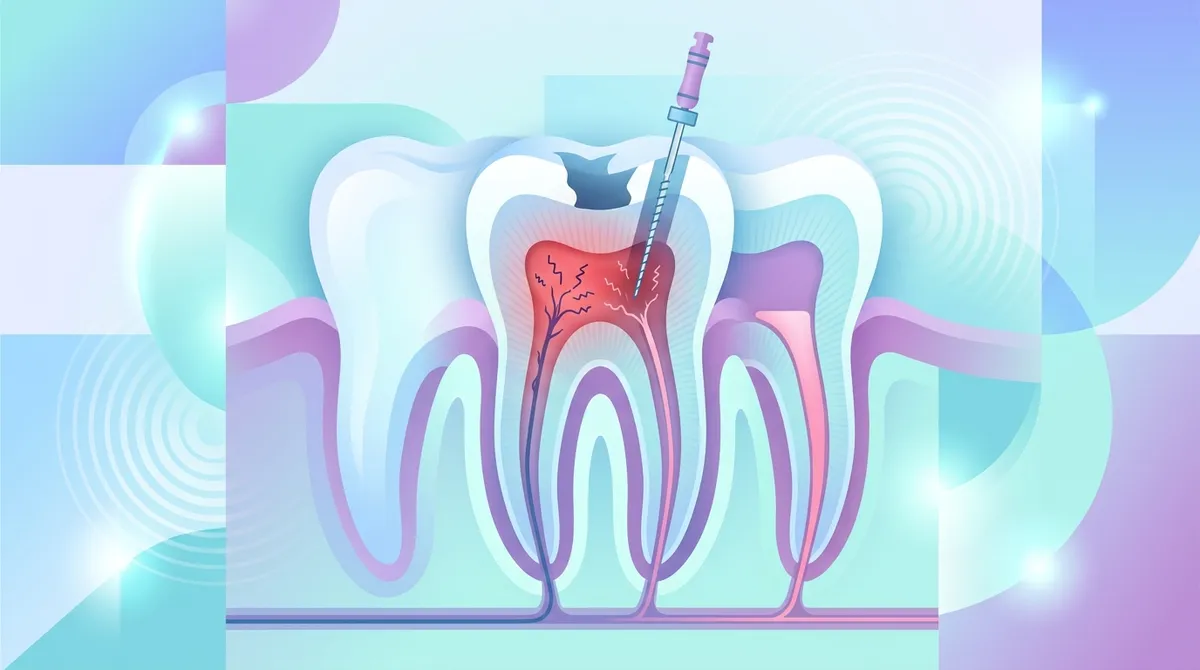
A root canal might sound intimidating, but it’s actually one of the most effective ways to save a badly damaged or infected tooth. When the inner part of your tooth — called the pulp — gets infected or inflamed, bacteria can spread and cause serious pain. A root canal removes that infected tissue, cleans out the inside of the tooth, and seals it up to prevent further problems.
Here’s the good news: modern root canals are nothing like the horror stories you may have heard. With today’s technology and techniques, most patients say the procedure feels similar to getting a filling. The goal is always to relieve your pain, not cause it!
Common Signs You May Need a Root Canal
- Severe or lingering tooth pain, especially when chewing
- Sensitivity to hot or cold that doesn’t go away
- Darkening or discoloration of the tooth
- Swollen or tender gums near the affected tooth
- A persistent pimple-like bump on your gums
- A cracked or chipped tooth that has become infected
If you’re noticing any of these symptoms, it’s important to get checked out as soon as possible. Early treatment can make a big difference in saving your natural tooth. You can learn more about general dental care options through our general dentistry services page.
What Is a Dental Crown — And Why Does It Come After a Root Canal?
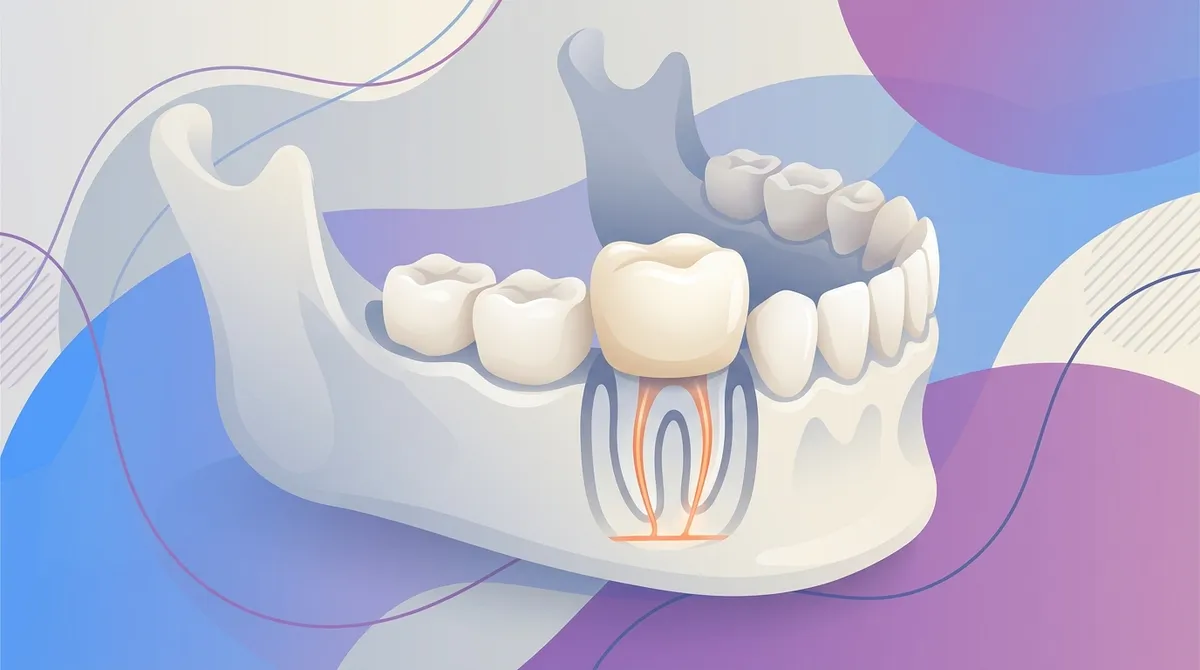
After a root canal, your tooth becomes more fragile. The procedure removes the inner pulp, which means the tooth no longer has the same strength it once did. That’s where a dental crown steps in. A crown is a tooth-shaped cap that fits over your existing tooth to protect it, restore its shape, and bring back full function.
Think of a dental crown like a helmet for your tooth. It covers the entire visible surface and shields it from the pressure of biting and chewing. Without a crown, a tooth that’s had a root canal is at high risk of cracking or breaking. If you want to understand more about how crowns function, check out this helpful resource on how dental crowns work to protect your teeth.
Why Dental Crowns and Root Canals Are the Perfect Pair
Together, root canals and dental crowns form a powerful team. The root canal clears the infection and saves the tooth. The crown protects the tooth and restores its appearance. One without the other often leads to more problems down the road.
| Procedure | Purpose | What It Treats | Outcome |
|---|---|---|---|
| Root Canal | Remove infected pulp | Infection, severe decay, abscess | Pain relief, saves the tooth |
| Dental Crown | Protect and restore the tooth | Weakened or damaged tooth structure | Strength, function, natural look |
| Root Canal + Crown | Full tooth restoration | Severe infection with structural damage | Long-lasting, fully functional tooth |
The Step-by-Step Process: What to Expect
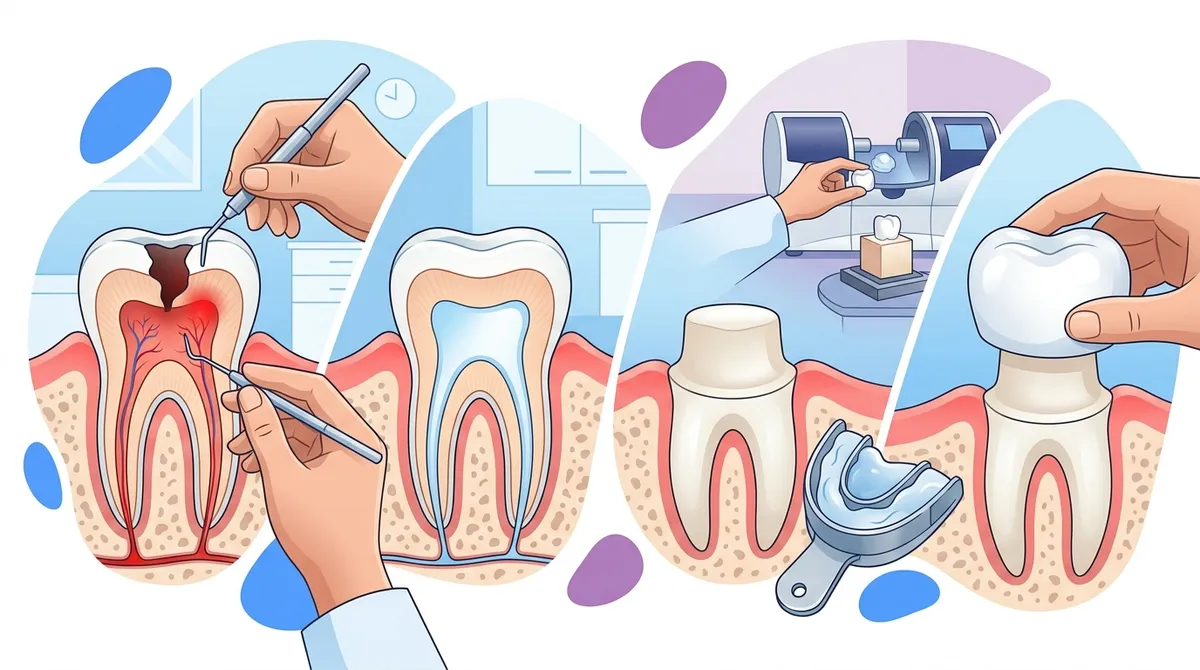
Knowing what happens during each step can help ease any anxiety you might have. Here’s a simple breakdown of what the process typically looks like when you need dental crowns and root canals together:
- Consultation and X-rays: Your dentist examines the tooth and takes X-rays to assess the level of infection and damage.
- Local anesthesia: The area is numbed so you feel little to no discomfort during the procedure.
- Root canal treatment: The dentist removes the infected pulp, cleans the inside of the tooth, and fills it with a special material.
- Temporary crown placement: A temporary crown may be placed while your permanent crown is being made.
- Permanent crown fitting: Your custom crown is placed and adjusted for a perfect fit.
At Dental Theory, we take pride in making every step of this process as smooth and stress-free as possible. Our warm, welcoming environment is designed to put you at ease from the moment you walk through the door.
Same-Day Crowns: A Game-Changer in Dental Care
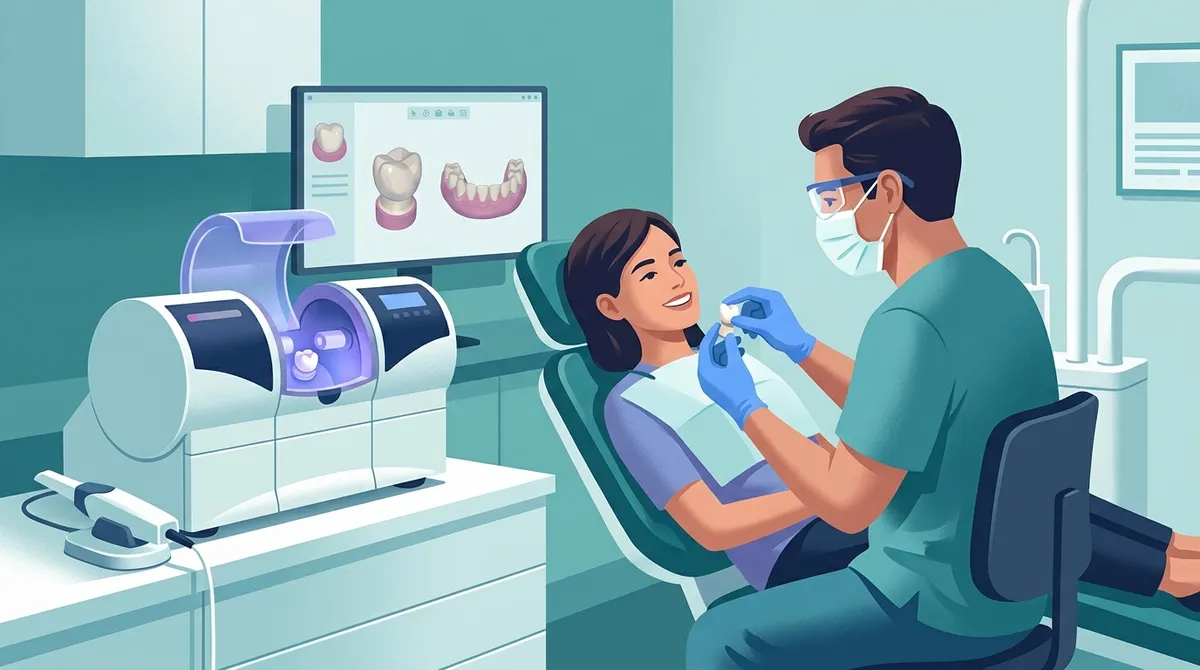
One of the biggest concerns patients have about getting a crown after a root canal is the wait time. Traditional crowns require multiple visits and weeks of wearing a temporary crown. But at Dental Theory, Dr. K offers same-day crowns that completely change the experience.
Using advanced CEREC technology, Dr. K can design, create, and place your permanent ceramic crown in a single appointment. No temporary crowns, no waiting weeks, no second visit. You walk in with a damaged tooth and walk out with a beautiful, fully restored smile — all in one day!
Benefits of Same-Day Crowns at Dental Theory
- Complete the entire process in just one visit
- Custom-designed to match your natural tooth color and shape
- 100% ceramic crowns for a natural, beautiful look
- No uncomfortable temporary crowns to deal with
- Less time away from work, school, or family
If you’re curious about how same-day crowns compare to traditional methods, you’ll love reading about same-day crowns vs. traditional crowns. Dr. K has also been recognized as one of America’s top dental professionals — in fact, Dr. Chris Karapasha has been named one of America’s Top Young Dentists in Incisal Edge magazine’s 2025 40 Under 40, a well-deserved honor for someone so committed to exceptional patient care.
How Long Do Dental Crowns Last After a Root Canal?
One of the most common questions patients ask is how long their crown will last. The good news is that with proper care, a dental crown can protect your tooth for many years. For a deeper dive into crown longevity, check out this helpful article on how long dental crowns last.
| Crown Material | Average Lifespan | Appearance | Best For |
|---|---|---|---|
| Ceramic (All-Porcelain) | 10–15+ years | Very natural-looking | Front and back teeth |
| Porcelain-Fused-to-Metal | 10–15 years | Good, but metal may show | Back teeth |
| Metal (Gold/Alloy) | 15–20+ years | Metallic appearance | Back molars |
At Dental Theory, we exclusively use ceramic crowns because they look the most natural and blend seamlessly with your surrounding teeth. To explore material options further, read about the best materials for same-day crowns according to Dr. K.
Tips to Make Your Crown Last Longer
- Brush twice a day and floss daily around your crown.
- Avoid chewing on hard objects like ice or pen caps.
- Wear a night guard if you grind your teeth while sleeping.
- Visit your dentist regularly for checkups and cleanings.
- Avoid biting your nails or using your teeth as tools.
Understanding the Cost and Insurance Coverage
Let’s talk about something everyone wonders: how much does all this cost? The price of dental crowns and root canals can vary depending on the tooth involved, the severity of the infection, and your location. The good news is that many dental insurance plans cover at least a portion of both procedures since they’re considered restorative care.
Before your treatment, it’s always smart to understand your coverage. Our team at Dental Theory is happy to help you navigate your insurance benefits so you know exactly what to expect. We also want to help you avoid costly mistakes — check out these 5 insurance mistakes that cost you on dental crowns so you can be informed and prepared.
| Procedure | Estimated Cost (Without Insurance) | Typical Insurance Coverage |
|---|---|---|
| Root Canal (Front Tooth) | $700 – $1,000 | 50–80% |
| Root Canal (Molar) | $1,000 – $1,500 | 50–80% |
| Dental Crown (Ceramic) | $1,000 – $1,800 | 50–70% |
Remember, these are general estimates. Costs can vary, and we encourage you to speak with our team for a more accurate quote based on your specific situation. You can easily schedule an appointment online and discuss your options with our friendly staff.
What Happens If You Skip the Crown After a Root Canal?
Some patients wonder whether they really need a crown after a root canal. In most cases, the answer is yes — especially for back teeth that handle most of the chewing force. Skipping the crown puts your tooth at serious risk.
- The tooth can crack or fracture under chewing pressure
- The tooth may become reinfected without proper sealing
- You could end up losing the tooth entirely, which costs more to fix
- Surrounding teeth may shift, causing bite problems
For some front teeth with minimal damage, a crown may not always be necessary. But your dentist will always guide you toward the safest option. If you’re also considering other restorative options, take a look at our veneers, crowns, and bridges page for a full overview of what’s available.
Caring for Your Smile After Treatment
Once your root canal and crown are complete, taking care of your smile is simple. The treated tooth won’t feel pain the way it used to — because the nerve has been removed — but it still needs proper care to stay healthy for years to come.
Regular visits to your dentist are key. During these checkups, your dentist will make sure the crown is fitting properly and that the surrounding gum tissue is healthy. If your crown ever feels loose or uncomfortable, don’t wait — get it checked right away. Learn what to do if something goes wrong with your crown by reading this guide: help, my crown fell off — can it be reattached?
We’d also love for you to stay connected with our community! You’re always welcome to visit us on Facebook for dental tips, updates, and a friendly community of patients just like you.
Why Dental Theory Is Brandon’s Trusted Choice
When it comes to dental crowns and root canals, you want a team you can trust. At Dental Theory in Brandon, FL, we combine cutting-edge technology with warm, personalized care. Dr. K’s same-day crown technology means you spend less time in the dental chair and more time enjoying your life with a healthy, beautiful smile.
Whether you’re a first-time patient or a longtime member of our dental family, we’re here to make every visit comfortable and stress-free. You can check out what our patients are saying by visiting our Google Business Profile — we love hearing from the people we serve!
Your Next Step Toward a Healthier Smile
Dental crowns and root canals don’t have to be stressful. With the right team by your side, these procedures are simply tools to help you keep your smile healthy for a lifetime. Whether you’re experiencing tooth pain right now or just want to understand your options, knowledge is your best friend.
Ready to take the next step? We’d love to welcome you to our practice and help you feel confident about your dental health. Reach out to our team at Dental Theory today to schedule your consultation and find out how we can restore your smile with expert care and a whole lot of warmth!
FAQs
Q: Do I always need a crown after a root canal?
A: In most cases, yes! After a root canal, your tooth becomes more fragile and needs protection. A dental crown acts like a strong shield, keeping the tooth safe from cracking or breaking under everyday chewing pressure. Your dentist will let you know if a crown is the right choice for your specific tooth.
Q: How long does it take to get a crown after a root canal?
A: With traditional methods, the process can take two or more visits over a few weeks. But at Dental Theory in Brandon, FL, Dr. K offers same-day crowns using advanced technology — so you can get your permanent ceramic crown placed in a single appointment. It’s a total game-changer for busy patients!
Q: Are dental crowns and root canals covered by insurance?
A: Great news — many dental insurance plans do cover a portion of both procedures since they’re considered restorative treatments. Coverage can vary depending on your plan, so it’s always a good idea to check with your insurance provider and your dental office before treatment to avoid any surprises.
Q: Does a root canal hurt?
A: We totally understand why this is the first thing people ask! Modern root canals are actually much more comfortable than their reputation suggests. With local anesthesia, most patients feel little to no discomfort during the procedure — and afterward, the treatment relieves the pain caused by the infection. Many patients are pleasantly surprised by how easy it is!
Q: How long do dental crowns last after a root canal?
A: With good oral hygiene and regular dental visits, a ceramic crown can last 10 to 15 years or even longer. Avoiding hard foods, grinding your teeth, and keeping up with daily brushing and flossing will help your crown stay strong and beautiful for many years to come.