

Key Takeaways
-
Early cavity detection through regular dental check-ups and X-rays prevents larger, costlier problems like root canals or tooth extraction that could occur if decay spreads to the tooth's inner pulp.
-
Modern composite resin fillings are tooth-colored, durable (5-10 years), bond directly to teeth requiring less removal of natural tooth structure, and look completely natural unlike older silver fillings.
-
Most filling appointments take 30-60 minutes and are painless due to local anesthetic numbing; patients typically feel only pressure or vibration, making the procedure faster and easier than expected.
-
Untreated cavities in children require immediate treatment even in baby teeth because they hold space for permanent teeth and affect proper chewing and speech development.
-
Filling costs typically range $150-$400 without insurance, but dental insurance covers 50-80% of composite filling costs, and in-house membership plans offer affordable alternatives for uninsured patients.
-
Post-filling sensitivity is normal for a few days and usually fades on its own; avoid hard/crunchy foods, sticky candies, and very hot/cold drinks for 24 hours to allow the filling to properly set.
Let’s be honest — nobody wakes up excited about getting a dental filling. But here’s the good news: modern fillings are faster, more comfortable, and better-looking than ever before. If you’ve been searching for a dentist near me for fillings, you’re already doing the right thing. Catching a cavity early and treating it quickly is one of the smartest things you can do for your smile and your wallet. Whether you’re an adult dealing with tooth sensitivity or a parent worried about your child’s first cavity, this guide covers everything you need to know. From understanding what fillings actually are to knowing what to expect at your appointment, we’ve got you covered. Let’s make this as stress-free as possible — because that’s exactly what your smile deserves.
What Is a Dental Filling?
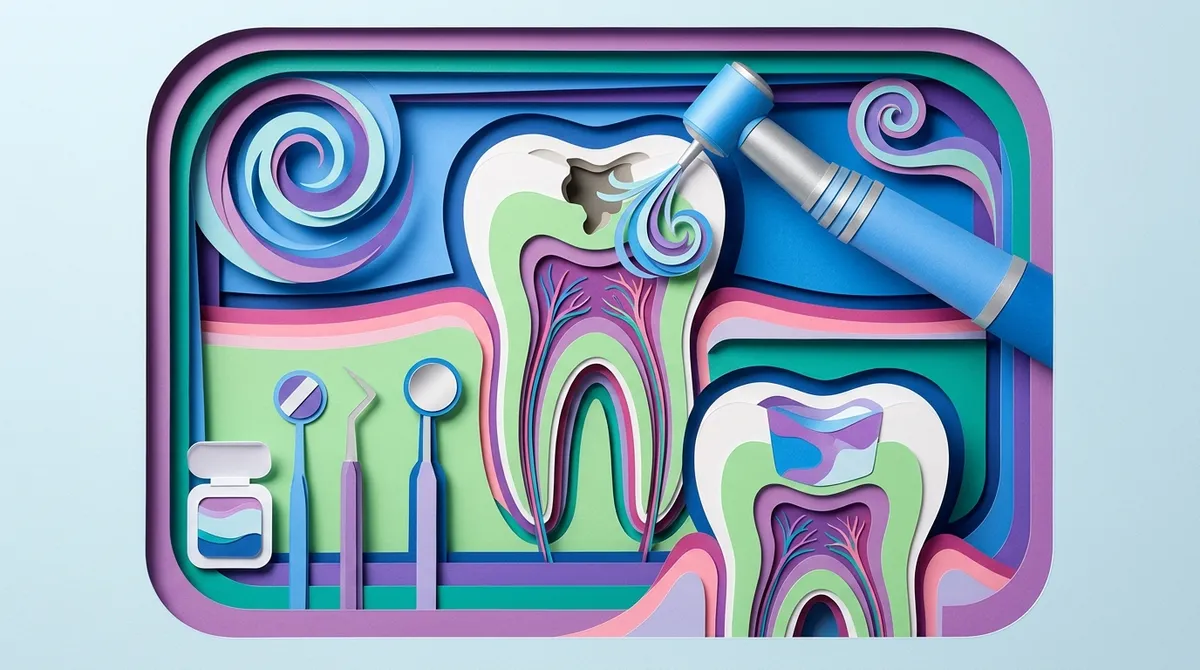
A dental filling is a treatment used to repair a tooth damaged by decay (a cavity). The dentist removes the decayed part of the tooth and fills the space with a special material. This stops the decay from spreading and restores the tooth’s normal shape and function. Think of it as patching a small hole before it becomes a big problem.
Today’s fillings are made from durable, tooth-colored materials. You won’t end up with a mouth full of silver — modern composite fillings blend right in with your natural teeth. If you’re curious about all the restorative options available, exploring general dentistry services can give you a great overview of what’s possible.
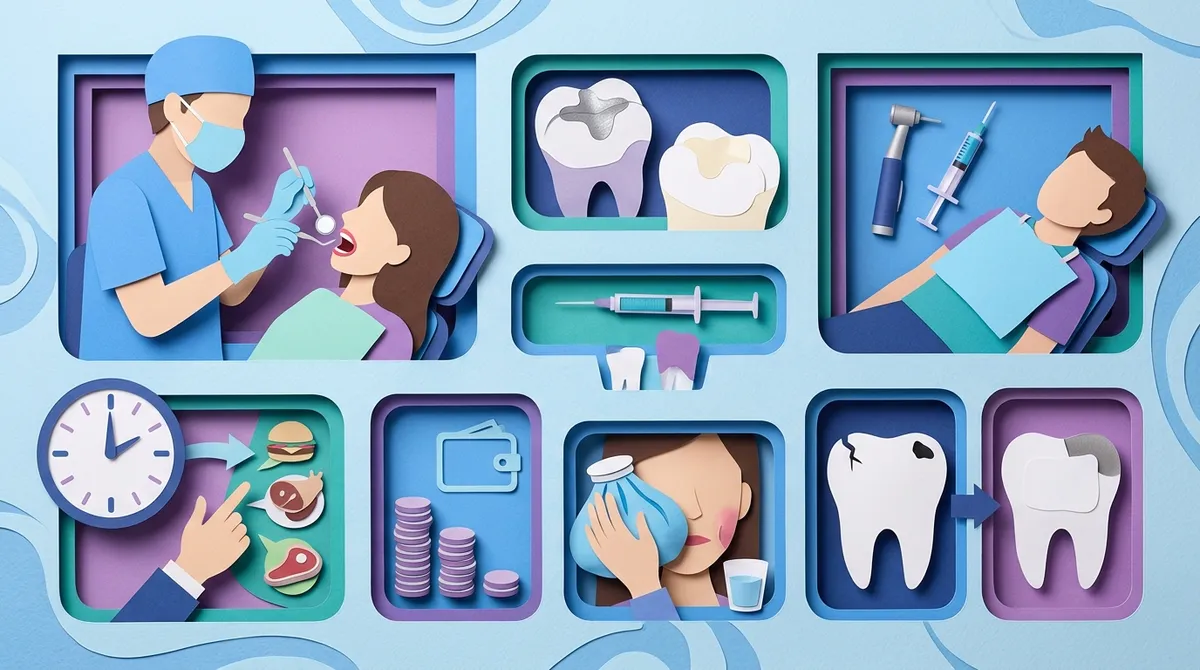
12 Things to Know Before Getting a Dental Filling
1. Not All Cavities Look or Feel the Same
Some cavities cause sharp pain or sensitivity to hot and cold foods. Others have zero symptoms at all. That’s actually what makes regular check-ups so important. Your dentist can spot decay on an X-ray long before it causes you any discomfort. Waiting until it hurts often means the cavity has gotten much bigger.
2. Tooth-Colored Composite Fillings Are the Standard
Gone are the days of obvious metal fillings. Composite resin fillings match the color of your natural teeth almost perfectly. They also bond directly to the tooth, which means less natural tooth structure needs to be removed. Here’s a quick comparison of the most common filling types:
| Filling Type | Appearance | Durability | Best For |
|---|---|---|---|
| Composite Resin | Tooth-colored | 5–10 years | Front & back teeth |
| Ceramic | Tooth-colored | 10–15 years | Larger cavities |
| Gold | Gold color | 15–20 years | Back molars |
| Amalgam (Silver) | Silver/gray | 10–15 years | Back teeth (less common now) |
3. The Procedure Is Usually Quick and Painless
Most fillings take between 30 and 60 minutes to complete. Your dentist will numb the area with a local anesthetic first, so you shouldn’t feel any pain during the procedure. You might feel some pressure or vibration, but that’s totally normal. Most patients are surprised by how easy it is.
4. Cavities Can Affect Kids Too — And Early Treatment Matters
Children are just as susceptible to cavities as adults — sometimes more so. Baby teeth matter! They hold space for permanent teeth and help kids chew and speak properly. If your child has a cavity, it needs to be treated even if it’s in a baby tooth. The team at Dr. Pri provides gentle, expert care specifically designed for little ones. You can also explore pediatric dentistry services to see how your child’s dental health is supported at every stage.
5. Sedation Options Are Available for Anxious Kids
Does your child panic at the thought of a dental visit? You’re not alone — dental anxiety in children is incredibly common. Dr. Priyanka Karapasha (Dr. Pri) is the only board-certified pediatric dentist offering in-office sedation dentistry for kids in Brandon, Florida. This means even the most nervous little patients can get the care they need in a calm, comfortable environment.
6. Ignoring a Cavity Can Lead to Bigger Problems
A small cavity that gets filled today costs far less — in time, money, and discomfort — than a cavity that’s left untreated. Decay that spreads can reach the inner pulp of the tooth, requiring root canal therapy or even tooth extraction. Wondering whether every cavity really needs immediate treatment? Check out do all cavities really need to be filled for an honest breakdown. Acting early is almost always the better choice.
7. What Happens During a Filling Appointment
Here’s a simple step-by-step so you know exactly what to expect:
- Examination & X-ray: Your dentist checks the tooth and takes an X-ray to assess how deep the decay goes.
- Numbing: A local anesthetic is applied to the area around the tooth so you stay comfortable.
- Decay removal: The decayed portion of the tooth is carefully removed using a drill or laser.
- Tooth preparation: The space is cleaned and prepared to accept the filling material.
- Filling placement: The composite resin is applied in layers and shaped to match your tooth.
- Curing: A special light hardens each layer of the filling material.
- Polishing: The filling is smoothed and polished so it feels natural when you bite.
8. Your Diet Matters After a Filling
After getting a filling, there are a few things to keep in mind for the first 24 hours. Here’s what to avoid and what’s perfectly fine:
| What to Avoid | Why | What’s Safe |
|---|---|---|
| Hard, crunchy foods | Can crack or dislodge new filling | Soft foods like yogurt |
| Sticky candies | Can pull at the filling | Mashed potatoes, soup |
| Very hot or cold drinks | Tooth may be sensitive | Lukewarm beverages |
| Chewing on that side | Give the filling time to settle | Chewing on the other side |
9. Some Sensitivity After a Filling Is Normal
It’s completely normal to feel some sensitivity in the filled tooth for a few days afterward. This usually fades on its own. If the sensitivity lasts more than two weeks or feels severe, give your dentist a call. It might just need a minor adjustment to your bite.
10. The Cost of Fillings Varies — But Insurance Often Helps
The cost of a filling depends on its size, location, and the material used. Most dental insurance plans cover a significant portion of filling costs. At Dental Theory, we work with a wide range of insurance options to make sure you get the most out of your benefits. If you don’t have insurance, our in-house membership plan is a smart, affordable alternative that covers preventive care and discounts on restorative services.
Here’s a general cost range to help you plan:
| Filling Type | Estimated Cost (Without Insurance) | Insurance Coverage (Typical) |
|---|---|---|
| Composite (1 surface) | $150 – $250 | 50–80% |
| Composite (2–3 surfaces) | $200 – $400 | 50–80% |
| Ceramic inlay/onlay | $650 – $1,200 | 50% |
11. Prevention Is Always Better Than Treatment
The best dental filling is one you never need. Here are the top habits that keep cavities away:
- Brush your teeth at least twice a day with fluoride toothpaste
- Floss once a day to remove plaque between teeth
- Limit sugary drinks and snacks — bacteria love sugar
- Visit your dentist every six months for a professional cleaning and exam
- Ask about dental sealants, especially for kids — they coat the chewing surfaces of back teeth
- Drink water throughout the day to rinse away food particles and bacteria
For children, getting their dental journey started on the right foot makes a huge difference. Check out information about your child’s first dental visit to help set up great habits from the very beginning.
12. Choosing the Right Dentist Makes All the Difference
When you’re searching for a dentist near me for fillings, you want someone who is skilled, gentle, and genuinely cares about your comfort. The right dental team will walk you through every step, answer your questions without making you feel rushed, and make the whole experience as smooth as possible. Reading reviews is a great way to gauge a practice’s quality. You can see our 5-star rating on Healthgrades.com to get a feel for the experience patients have at our office.

What to Look for in a Family-Friendly Dental Practice
If you’re looking for a place that can treat everyone — from toddlers to grandparents — here’s a quick checklist of what a great family dental practice should offer:
- Services for both children and adults under one roof
- A welcoming, stress-free environment
- Board-certified pediatric dental care
- A range of insurance and payment options
- Modern technology for accurate, comfortable treatment
- Clear communication and patient education
Dental Theory in Brandon, FL checks every one of those boxes. We love helping families feel confident and comfortable at every visit — and we make sure each patient, no matter their age, feels heard and cared for. You can also visit us on Google to read reviews from real patients in our community.

Signs You Might Need a Filling Right Now
Not sure if it’s time to book an appointment? Here are some signs that you or your child may have a cavity that needs attention:
- Tooth pain or sensitivity when eating sweet, hot, or cold foods
- A visible dark spot or hole on a tooth surface
- A rough or jagged feeling when you run your tongue over a tooth
- Pain when biting down
- A broken or chipped tooth that leaves an opening for bacteria
If any of these sound familiar, don’t put it off. The sooner you address a cavity, the simpler and more affordable the fix will be. Schedule an appointment and get your smile checked out today.
Beyond Fillings: When You Might Need More
Sometimes a cavity has progressed too far for a simple filling. In those cases, other restorative solutions come into play. If a large portion of the tooth is damaged, a dental crown may be the right choice to fully protect and restore the tooth. And if decay has reached the nerve, root canal therapy becomes necessary before placing a crown. The good news? These are all manageable, routine procedures when caught at the right time.
Many people also enjoy the peace of mind that comes with knowing their entire family’s dental needs are handled in one place. From baby teeth to adult cosmetic concerns, having a trusted dental home makes life so much simpler. You can also stay connected with us by visiting our Dental Theory Facebook page for tips, updates, and community news.
If you’re also thinking about keeping your lawn just as healthy as your smile, our friends at All Trusted Lawn Care are a reliable local resource for keeping your outdoor space looking great.
Ready to Find the Right Dentist for Fillings Near You?
Whether you’re dealing with a pesky cavity right now or just want to stay ahead of any potential issues, the team at Dental Theory is here to help. We treat every patient like family — with warmth, skill, and a genuine commitment to making you feel comfortable from the moment you walk in. Don’t let dental anxiety or uncertainty hold you back from the healthy smile you deserve.
Take the next step today and reach out to Dental Theory to schedule your appointment. Your smile will thank you for it!
FAQs
Q: How do I know if I need a dental filling?
A: Great question! Common signs include tooth sensitivity to hot or cold foods, visible dark spots on a tooth, or pain when biting. The most reliable way to know for sure is to visit your dentist — they can spot cavities on X-rays even before you feel any symptoms, so regular check-ups really are your best friend here!
Q: How long does a dental filling appointment take?
A: Most filling appointments are pretty quick — typically between 30 and 60 minutes depending on the size and location of the cavity. The numbing process takes a few minutes, and then your dentist takes care of the rest. Many patients are surprised by how smooth and fast the whole thing goes!
Q: Are tooth-colored fillings as strong as silver fillings?
A: Absolutely! Modern composite resin fillings are very durable and hold up well for everyday chewing and biting. They also bond directly to your tooth, which helps preserve more of your natural tooth structure. Plus, they look completely natural — no one will ever know you had work done!
Q: Can children get dental fillings?
A: Yes, and it’s really important that they do! Baby teeth are just as important as adult teeth, and untreated cavities in kids can cause pain and affect the development of permanent teeth. Dr. Pri, our board-certified pediatric dentist in Brandon, FL, makes fillings for kids as gentle and stress-free as possible.
Q: How much does a dental filling cost without insurance?
A: The cost of a dental filling typically ranges from around $150 to $400 depending on the size and material used. If you don’t have insurance, ask about in-house membership plans — they can make routine and restorative dental care much more affordable. Your smile is worth the investment!