Key Takeaways
-
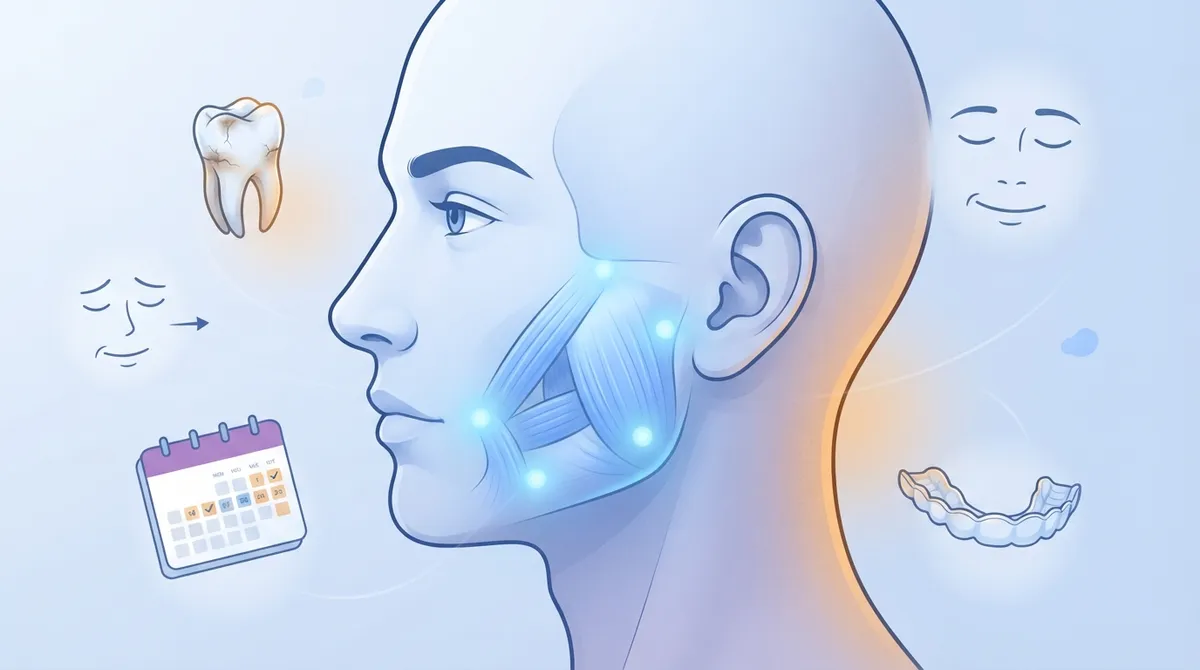
Botox injections relax overactive jaw muscles by blocking nerve signals, reducing teeth grinding and clenching, with many patients experiencing relief within days and results lasting 3-6 months.
-
Common symptoms of TMJ disorder or bruxism include jaw pain, clicking sounds, frequent headaches, worn teeth, and ear pain; a dentist can diagnose these conditions through bite checks and tooth examination.
-
Botox works best when combined with other treatments like night guards, physical therapy, or stress management, as each patient's condition requires a personalized treatment approach.
-
The Botox procedure takes less than 30 minutes with minimal pain, no downtime, and patients can return to normal activities immediately, though full results develop over 1-2 weeks.
Does your jaw ache when you wake up? Do you clench your teeth without even noticing? You are not alone. So many folks in Brandon deal with jaw pain and teeth grinding every single day. The good news? There is a treatment that might surprise you: Botox. Yes, the same treatment people use for smoothing wrinkles can also calm down an overworked jaw. Let’s talk about how this works and whether it might help you.
At Dental Theory, we care about your whole smile, not just your teeth. That includes the muscles and joints that make chewing, talking, and smiling possible. If you have been dealing with TMJ pain or bruxism (that’s the fancy word for teeth grinding), keep reading. We are breaking down five key facts about Botox and how it fits into modern dental care.
1. Yes, Botox Injections Are Used for TMJ and Bruxism
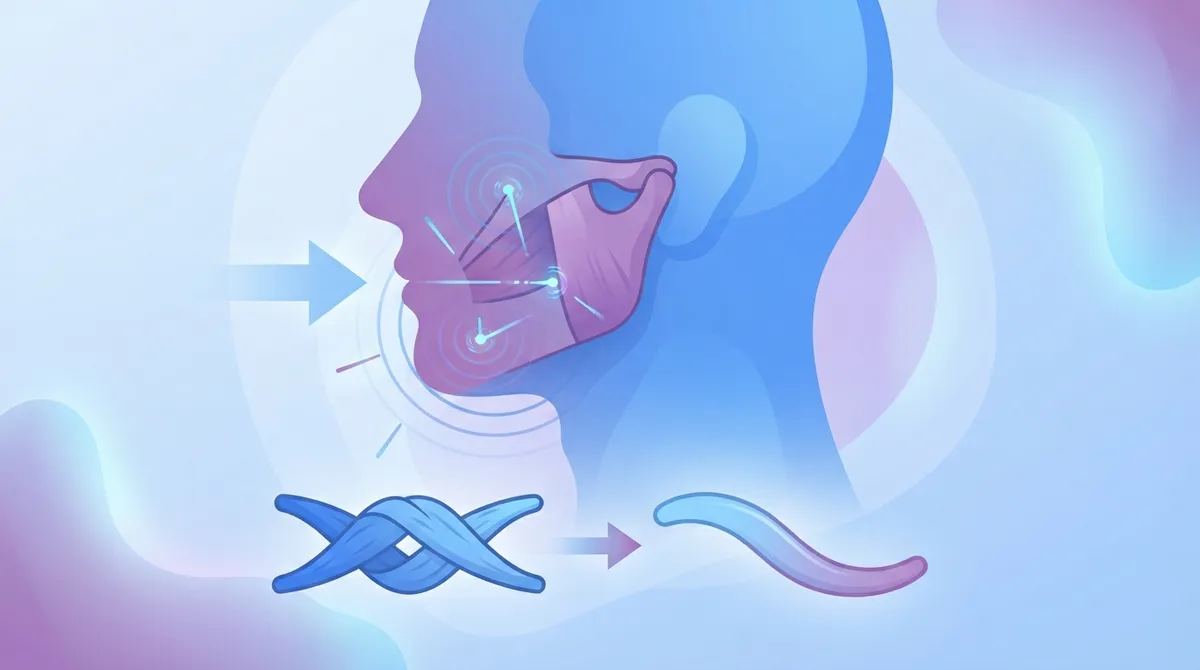
Let’s answer the big question right away. Botox injections are indeed used to treat TMJ disorder and bruxism. Dentists and doctors inject small amounts of Botox into the jaw muscles. This helps relax the muscles that clench and grind your teeth.
TMJ stands for temporomandibular joint. This joint connects your jawbone to your skull. When it gets irritated or overworked, it can cause pain, clicking sounds, and trouble opening your mouth wide. Bruxism is when you clench or grind your teeth, often while you sleep. Both problems can wear down your teeth and cause serious discomfort.
Botox works by blocking nerve signals to the muscle. This stops the muscle from contracting so hard. Less contraction means less grinding, less clenching, and less pain. Many patients feel relief within a few days after treatment.
2. How Botox Helps Calm Overactive Jaw Muscles
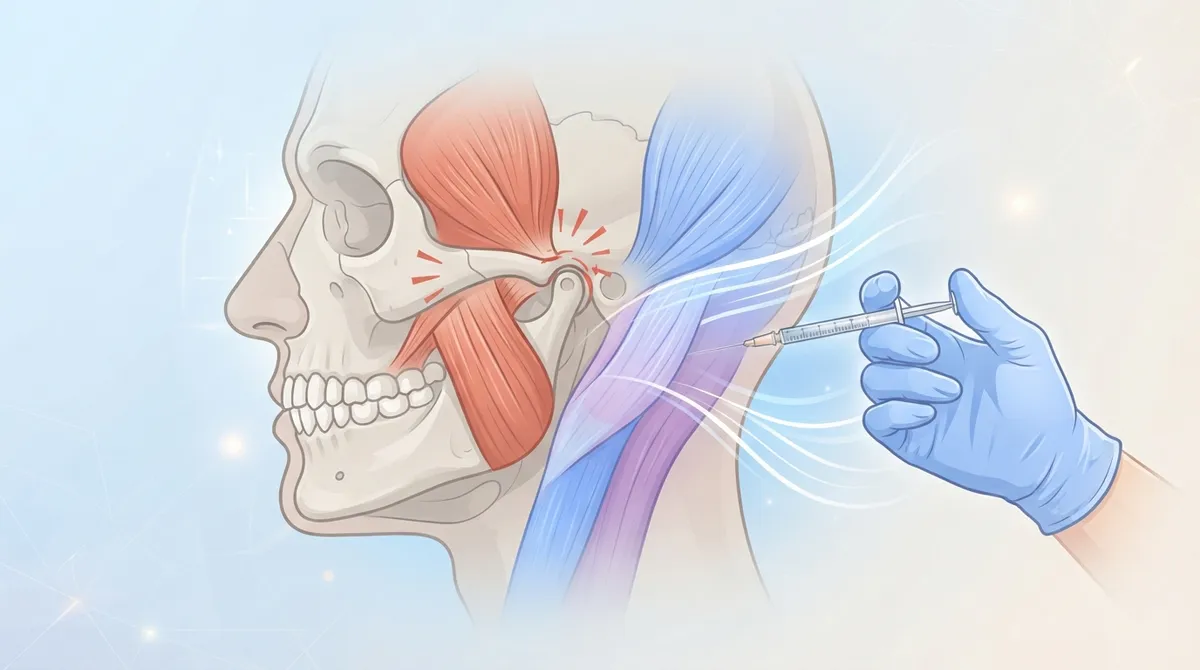
Your jaw muscles are strong. In fact, the masseter muscle, which helps you chew, is one of the strongest muscles in your body for its size. When this muscle works overtime from stress or a bad bite, it can lead to real problems.
Here is a simple breakdown of how Botox helps:
- It relaxes the masseter and temporalis muscles, which are the main muscles involved in clenching.
- It reduces the force behind grinding, protecting your teeth from extra wear.
- It can shrink an enlarged jaw muscle over time, giving your face a softer look.
- It eases tension headaches that often come from jaw clenching.
- It works alongside other treatments, like night guards, for even better results.
The National Institute of Dental and Craniofacial Research notes that TMJ disorders can have many causes, including stress and jaw injury. That’s why a full approach to treatment often works best.
3. Signs You Might Need TMJ or Bruxism Treatment
How do you know if you have TMJ disorder or bruxism? Some signs are easy to miss at first. Here are common symptoms to watch for:
- Jaw pain or soreness, especially in the morning
- Clicking or popping sounds when you open your mouth
- Frequent headaches, especially near your temples
- Worn down or flattened teeth
- Trouble opening your mouth all the way
- Ear pain without an actual ear infection
- A tired or tight feeling in your jaw muscles
If any of these sound familiar, it might be time to talk to a dentist. Our team can check your bite, look at your teeth for signs of grinding, and talk about your daily habits. You can read more about TMJ and bruxism connections to understand how the two conditions often overlap.
4. Comparing Botox to Other TMJ and Bruxism Treatments
Botox is not the only option out there. Depending on your case, your dentist might suggest a mix of treatments. Here is a quick comparison to help you understand your choices.
| Treatment | How It Works | Best For |
|---|---|---|
| Botox Injections | Relaxes overactive jaw muscles to reduce clenching and pain | Moderate to severe grinding or muscle tension |
| Night Guards | Creates a barrier between teeth to prevent grinding damage | Nighttime grinding and mild TMJ symptoms |
| Physical Therapy | Stretches and strengthens jaw muscles | Muscle stiffness and limited jaw movement |
| Stress Management | Reduces the anxiety that often triggers clenching | Patients whose bruxism is linked to stress |
Our TMJ rehabilitation services look at your specific needs. Sometimes Botox works best on its own. Other times it pairs well with a custom night guard for extra protection. Every mouth is different, so treatment should be too.
5. What to Expect During and After Botox Treatment
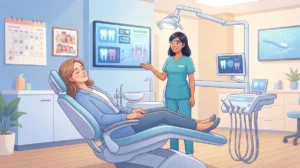
Getting Botox for TMJ or bruxism is a quick, simple process. Here is what usually happens, step by step:
- Your dentist checks your jaw muscles and asks about your symptoms.
- They mark the spots where the muscle is tightest.
- A few small injections are given directly into the jaw muscles.
- The whole visit usually takes less than 30 minutes.
- You can go back to your normal day right after, with little to no downtime.
- Results build up over one to two weeks as the muscle relaxes.
- Effects typically last three to six months before a follow-up is needed.
Most patients say the injections feel like a quick pinch. There is little pain and almost no recovery time. Many people notice less jaw tightness within the first week. Your smile stays the same, but your jaw finally gets a break from constant tension.
Why Choose Dental Theory for Jaw Pain and Grinding Relief
Living in pain is exhausting. Waking up with a sore jaw or a pounding headache can ruin your whole day. At Dental Theory, we want to help you feel like yourself again. Our friendly team takes time to understand your symptoms and find a treatment plan that actually fits your life.
We also treat many other dental needs under one roof. From general dentistry to cosmetic dentistry, our Brandon office covers it all. Our patients love that they don’t need to drive all over town to get the care they need. You can even check out what our neighbors are saying when you visit us on Facebook, or read reviews and visit us on Google — Dental Theory before booking your visit.
If your jaw pain has been building up for a while, don’t wait it out. Our team is ready to talk through your options, including Botox, night guards, or a combination plan built just for you.
Simple Habits That Support Your TMJ Treatment
Treatment works best when you pair it with good daily habits. Here are a few easy things you can do at home:
- Avoid chewing gum, which puts extra strain on jaw muscles.
- Practice gentle jaw stretches recommended by your dentist.
- Apply a warm compress to sore areas for quick relief.
- Cut back on hard or chewy foods during flare-ups.
- Notice when you clench during the day and try to relax your jaw.
Small changes add up over time. Combined with professional treatment, these habits can make a big difference in how your jaw feels every day.
Ready to Find Relief From Jaw Pain?
You don’t have to live with constant jaw pain or worn down teeth. Botox has helped many patients find real relief from TMJ disorder and bruxism, and it might help you too. Our team is here to listen, explain your options, and create a plan that fits your needs. Ready to take the next step? contact Dental Theory today to schedule your consultation. You can also schedule an appointment online at a time that works best for you. Our Brandon team is proud to serve families across the area, and we would love to help you feel comfortable again.
FAQs
Q: Are Botox injections used for TMJ or bruxism?
A: Yes! Botox injections are commonly used to treat both TMJ disorder and bruxism. They work by relaxing the overactive jaw muscles that cause clenching, grinding, and pain, giving you real relief without surgery.
Q: How long does Botox last for TMJ or teeth grinding?
A: Most patients enjoy relief for about three to six months before needing another treatment. Everyone is a little different, so your dentist will help track how your body responds over time.
Q: Is getting Botox for jaw pain painful?
A: Not really! Most people describe it as a quick pinch, and the whole appointment takes less than 30 minutes. There is no downtime, so you can go right back to your day afterward.
Q: Can Botox replace my night guard for bruxism?
A: It depends on your case. Some patients do great with Botox alone, while others benefit from pairing it with a night guard for extra protection. Your dentist can help you figure out the best combo for your smile.
Q: How do I know if I have TMJ disorder or bruxism?
A: Common signs include jaw pain, morning headaches, clicking sounds, and worn down teeth. If any of this sounds familiar, it is worth chatting with your dentist to get a proper checkup and treatment plan.
Our Service Area