
Key Takeaways
-
Regular dental visits for the whole family are crucial, with checkups at least twice a year to catch and prevent potential oral health issues early.
-
Proper brushing technique matters: use a soft-bristled brush, fluoride toothpaste, and spend at least two minutes brushing twice daily at a 45-degree angle to your gums.
-
Dental health directly impacts overall health, with poor oral care linked to heart disease, diabetes, and potential pregnancy complications.
-
Create a fun family dental routine by making brushing enjoyable for children, using games, music, and positive reinforcement to build lifelong healthy habits.
-
Diet plays a significant role in dental health – limit sugary foods and drinks, and choose calcium-rich and crunchy foods that naturally help clean teeth.
Taking care of your family’s teeth is one of the most important things you can do for their health. Good dental habits start early and last a lifetime. When everyone in your household practices proper oral care, it protects against cavities, gum disease, and many other health problems. Family dental care means making sure every person, from your youngest child to your oldest relative, gets the attention their teeth and gums need.
Think of your mouth as the gateway to your body. What happens there affects your whole health. Research shows that poor dental health links to heart disease, diabetes, and even pregnancy complications. That’s why regular checkups and daily care matter so much. The good news? Building healthy habits as a family makes it easier and more fun for everyone.
In Brandon, Florida, families trust Dental Theory to provide comprehensive care for all ages. Whether you need a pediatric dentistry visit for your little one or general dentistry services for yourself, quality family dental care keeps everyone healthy and smiling. Let’s explore how you can give your family the best oral health possible.

Why Family Dental Care Matters for Everyone
Your family’s dental health affects more than just teeth and gums. It impacts overall well-being, confidence, and quality of life. When you prioritize oral care for the whole family, you create a foundation for lifelong health.
The Connection Between Oral Health and Overall Health
Your mouth tells a story about your body’s health. Bacteria from gum infections can enter your bloodstream and travel to other organs. Studies show that gum disease increases the risk of heart disease by nearly 20%. It also makes diabetes harder to control and can lead to respiratory infections.
For pregnant women, dental health becomes even more critical. Pregnancy hormones make gums more sensitive, increasing the risk of gingivitis. This inflammation can affect the developing baby. Regular dental visits during pregnancy help protect both mother and child.
Children with untreated cavities often struggle in school. Tooth pain makes it hard to focus, eat properly, or sleep well. When kids miss school due to dental problems, they fall behind in their studies. Good family dental care prevents these issues before they start.
Building Healthy Habits Early
Children learn by watching their parents. When you brush and floss regularly, your kids see that oral care is important. Making dental hygiene fun turns it into a positive family activity rather than a chore.
- Start cleaning your baby’s gums even before teeth appear
- Let toddlers pick their own colorful toothbrush
- Brush together as a family twice a day
- Celebrate cavity-free checkups with healthy rewards
- Read books about dental visits to reduce anxiety
These simple steps create habits that last a lifetime. Kids who learn proper oral care early rarely develop dental anxiety. They grow up understanding that dentist visits are normal and helpful, not scary.

Daily At-Home Dental Care for the Whole Family
The foundation of good oral health happens at home. What you do every day matters more than any single dental visit. Let’s break down the essential practices that keep teeth and gums healthy.
Brushing the Right Way
Brushing seems simple, but technique matters. Use a soft-bristled toothbrush and fluoride toothpaste. Fluoride strengthens tooth enamel and helps prevent cavities in both children and adults.
Here’s how to brush properly:
- Place your toothbrush at a 45-degree angle to your gums
- Use gentle circular motions, not harsh scrubbing
- Brush all surfaces: outside, inside, and chewing surfaces
- Don’t forget your tongue, where bacteria hide
- Spend at least two minutes brushing, twice daily
Replace toothbrushes every three to four months, or sooner if bristles look worn. Frayed bristles don’t clean effectively and can irritate gums. After someone in your family gets sick, replace their toothbrush to avoid spreading germs.
The Importance of Flossing
Many people skip flossing, but it’s just as important as brushing. Your toothbrush can’t reach between teeth where food particles and plaque hide. Flossing once daily removes this buildup and prevents gum disease.
Use about 18 inches of floss. Wrap most of it around your middle fingers, leaving an inch or two to work with. Gently slide the floss between teeth using a back-and-forth motion. Curve it into a C-shape around each tooth and slide it under the gum line. Use a clean section of floss for each tooth.
For kids, floss picks make the process easier. They’re simple to hold and less intimidating than traditional floss. Whatever tool works for your family is the right choice.
Healthy Eating for Strong Teeth
What your family eats directly affects dental health. Sugary foods and drinks create an acid attack on tooth enamel. Bacteria in your mouth feed on sugar and produce acid that wears away teeth.
| Foods That Help Teeth | Foods to Limit |
|---|---|
| Cheese and yogurt (calcium-rich) | Candy and sticky sweets |
| Crunchy vegetables like carrots | Soda and sugary drinks |
| Apples and pears | Chips and crackers |
| Nuts and seeds | Dried fruit (sticky) |
| Water with fluoride | Sports drinks |
Drinking water throughout the day helps wash away food particles and keeps your mouth moist. Saliva naturally protects teeth by neutralizing acids and providing minerals that strengthen enamel. Staying hydrated supports this natural defense system.

Professional Dental Care: What to Expect
Home care is essential, but professional cleanings and checkups catch problems early. Regular dental visits save time, money, and discomfort in the long run.
How Often Should Your Family Visit the Dentist?
Most families should visit the dentist at least once a year for checkups and cleanings. However, many dental professionals recommend twice-yearly visits. These regular appointments allow your dentist to spot small issues before they become big problems.
Children should start seeing a dentist when their first tooth appears or by their first birthday. Early visits help kids get comfortable with the dental office and allow the dentist to monitor development. Dr. Pri, a board-certified pediatric dentist, specializes in making these early experiences positive and stress-free.
Adults with certain conditions may need more frequent visits. If you have gum disease, diabetes, or a history of cavities, your dentist might recommend coming in every three or four months. Pregnant women should definitely see their dentist during pregnancy due to increased gingivitis risk.
What Happens During a Family Dental Visit
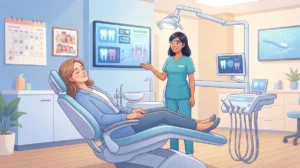
A typical dental checkup includes several steps. First, a dental hygienist cleans your teeth, removing plaque and tartar that brushing and flossing miss. This professional cleaning reaches areas that are hard to access at home.
Next, the dentist examines your teeth, gums, and mouth. They look for signs of cavities, gum disease, oral cancer, and other problems. X-rays may be taken to see what’s happening beneath the surface. These images reveal issues like decay between teeth or problems with tooth roots.
For children, the dentist checks how teeth are developing. They watch for proper spacing and alignment. If needed, they might recommend sealants, which are thin protective coatings applied to back teeth. Sealants prevent cavities in the grooves where toothbrush bristles can’t reach effectively.
Special Services for Different Family Members
Family dental practices offer services tailored to each age group. Children benefit from fluoride treatments that strengthen developing teeth. They might need space maintainers if a baby tooth is lost too early.
Teenagers often need orthodontic evaluations. Straight teeth aren’t just about appearance; they’re easier to clean and less prone to problems. Modern options like Invisalign provide discreet alternatives to traditional braces.
Adults might need more complex services like fillings, crowns, or root canal therapy. Dr. K specializes in adult and cosmetic dentistry, offering Same-Day Crowns so patients never need multiple visits or temporary crowns.

Overcoming Dental Anxiety in Your Family
Many people feel nervous about dental visits. This anxiety often starts in childhood and continues into adulthood. Creating positive experiences helps everyone feel more comfortable.
Tips for Helping Anxious Children
Children pick up on their parents’ emotions. If you seem worried about the dentist, your child will feel worried too. Stay calm and positive when talking about dental visits. Use simple, friendly language without scary words like “pain” or “shot.”
Let your child bring a favorite toy or stuffed animal to the appointment. Familiar objects provide comfort in new situations. Some dental offices have special rooms designed for kids with fun decorations and entertainment.
For children who experience significant anxiety, sedation dentistry for kids offers gentle solutions. Dr. Pri is the only board-certified pediatric dentist in Brandon offering in-office sedation, ensuring anxious children receive compassionate, comfortable care.
Making Dental Visits Positive Experiences
Turn dental appointments into special occasions. Plan something fun afterward, like a trip to the park or a healthy snack. This gives kids something to look forward to beyond the visit itself.
- Schedule morning appointments when kids are well-rested
- Avoid bribing with candy or treats (sends mixed messages)
- Praise brave behavior during and after the visit
- Let kids see you getting your teeth cleaned too
- Choose a family-friendly practice with a welcoming environment
The right dental office makes a huge difference. Look for practices that welcome families and have experience working with children. A friendly, patient team helps everyone feel at ease.
Understanding Dental Insurance and Payment Options
Dental care is an investment in your family’s health. Understanding your payment options helps you get the care you need without financial stress.
Making the Most of Dental Insurance
Most dental insurance plans cover preventive care like cleanings and checkups at 100%. This means regular visits cost you nothing out of pocket. Taking advantage of these benefits saves money by preventing costly problems later.
Basic procedures like fillings are usually covered at 70-80%, while major work like crowns might be covered at 50%. Each plan has an annual maximum, typically between $1,000 and $2,000 per person. Using your benefits throughout the year, rather than waiting, helps you avoid hitting this limit.
Check your plan’s details to understand what’s covered. Some plans have waiting periods for certain procedures or exclude cosmetic work. Your dental office can help you understand your benefits and maximize coverage.
Alternative Payment Solutions
Not everyone has dental insurance, but that shouldn’t stop you from getting care. Many dental practices offer payment plans that spread costs over several months. This makes larger treatments more affordable.
| Payment Option | Best For | Key Benefit |
|---|---|---|
| Dental Insurance | Employer coverage | Preventive care covered 100% |
| In-House Membership Plans | Uninsured families | Discounts on all services |
| Payment Plans | Large treatments | Spread costs over time |
| Health Savings Accounts | Tax-advantaged savings | Use pre-tax dollars |
An in-house membership plan provides an excellent alternative to traditional insurance. These plans typically include preventive visits and offer discounts on other treatments. They work well for families without insurance or those whose plans have limited benefits.
Special Considerations for Different Life Stages
Each stage of life brings unique dental needs. Understanding these helps you provide the right care at the right time.
Babies and Toddlers
Dental care starts before the first tooth appears. Wipe your baby’s gums with a soft, damp cloth after feedings. This removes bacteria and helps baby get used to mouth cleaning.
When teeth come in, brush them with a tiny smear of fluoride toothpaste. Use a rice-grain-sized amount for babies under three. Schedule that first dental visit within six months of the first tooth or by age one.
Avoid putting babies to bed with bottles of milk or juice. The sugar pools around teeth, causing “baby bottle tooth decay.” If your child needs a bottle for comfort, fill it with water instead.
School-Age Children
As kids grow, they take on more responsibility for their oral care. Supervise brushing until they’re about seven or eight years old. Make sure they’re reaching all areas and using proper technique.
Sports become important during these years. If your child plays contact sports, get them a custom mouthguard. These protect teeth from injury much better than store-bought options. A knocked-out tooth is a dental emergency that’s completely preventable.
Watch for signs your child might need braces. Crowded teeth, gaps, or bite problems may require orthodontic treatment. Early evaluation, around age seven, helps catch issues when they’re easiest to correct.
Adults and Seniors
Adult dental care focuses on prevention and maintenance. Keep up with regular cleanings and address problems promptly. Small cavities are quick and easy to fix. Ignored, they become painful and expensive.
Many adults consider cosmetic improvements. Teeth whitening, bonding, and veneers can transform your smile. These treatments boost confidence and make you feel great about your appearance.
As you age, dental needs change. Medications can cause dry mouth, increasing cavity risk. Gum disease becomes more common. Some older adults need dentures or implants to replace missing teeth. Regular dental visits help manage these age-related changes.
Creating a Family Dental Care Routine That Works
Consistency is key to good oral health. A solid routine makes dental care automatic, not something you have to remember to do.
Morning and Night Routines
Start and end each day with oral care. Make it part of your regular routine, like getting dressed or eating breakfast. Brush for two minutes twice daily, floss once daily, and rinse if desired.
Set timers or play a two-minute song to make brushing more fun. Many apps turn brushing into a game for kids. Electric toothbrushes often have built-in timers that ensure you brush long enough.
Keep dental supplies where everyone can reach them easily. Each family member should have their own toothbrush. Store brushes upright where they can air-dry between uses. Don’t share toothbrushes, as this spreads bacteria and germs.
Making It Fun for Kids
Turn brushing into an adventure. Let kids pick their own toothpaste flavor and toothbrush design. Character-themed brushes make the experience more exciting. Sing songs, tell stories, or play music during brushing time.
- Create a sticker chart to track daily brushing and flossing
- Let kids brush your teeth after you brush theirs
- Read dental-themed books together
- Watch videos about healthy teeth
- Celebrate milestones like losing baby teeth
Positive reinforcement works better than nagging. Praise kids when they remember to brush without being reminded. Celebrate their efforts and progress, not just perfect technique. Building confidence and good associations matters more than perfection.
When to Seek Emergency Dental Care
Some situations require immediate attention. Knowing what constitutes a dental emergency helps you respond appropriately and protect your family’s teeth.
Common Dental Emergencies
A knocked-out permanent tooth is a true emergency. If this happens, handle the tooth by the crown (not the root). Rinse it gently if dirty, but don’t scrub. Try to place it back in the socket. If that’s not possible, store it in milk or saliva and get to a dentist immediately. Quick action can save the tooth.
Severe toothaches might indicate infection or abscess. Don’t ignore persistent pain. Rinse with warm salt water and take over-the-counter pain relievers. Call your dentist right away. Dental infections can spread and become serious.
Broken or cracked teeth need professional attention, especially if you feel pain or see exposed inner tooth. Save any pieces you can find. Rinse your mouth with warm water and apply a cold compress to reduce swelling.
Preventing Dental Emergencies
Many emergencies are preventable with proper precautions. Wear mouthguards during sports. Don’t chew ice, hard candy, or popcorn kernels. These can crack teeth. Use scissors to open packages, not your teeth.
Regular dental visits catch problems before they become emergencies. A small cavity found during a checkup is a simple fix. Left untreated, it can become a painful abscess requiring emergency care.
The Benefits of Choosing a Family Dental Practice
Finding the right dental home for your family simplifies care and builds lasting relationships. A family practice offers convenience and comprehensive services under one roof.
One Location for Everyone
Family dental practices treat patients of all ages. This means one office for your toddler’s checkup, your teen’s cleaning, and your own dental needs. Coordinating appointments becomes much easier when everyone goes to the same place.
Siblings can visit together, making trips more efficient. While one child is in the chair, others can wait with a parent. This saves time and reduces the number of trips you need to make.
Comprehensive Services
Family practices offer a wide range of treatments. They provide preventive care, restorative work, cosmetic procedures, and specialized services. Having everything available in one location means fewer referrals and better continuity of care.
Your dentist gets to know your whole family. They understand your medical history, preferences, and concerns. This relationship-based care leads to better outcomes and more comfortable experiences. You’re not just a patient; you’re part of the dental practice family.
Start Your Family’s Journey to Better Oral Health
Taking care of your family’s teeth doesn’t have to be complicated. With daily at-home care, regular professional visits, and healthy habits, you can protect everyone’s smiles for years to come. The key is consistency and making oral health a priority.
Remember that good dental care is an investment in overall health and well-being. It prevents painful problems, saves money, and gives everyone the confidence that comes with a healthy smile. The habits you build today shape your family’s future health.
In Brandon, Florida, families rely on Dental Theory for exceptional care in a welcoming environment. Whether you need routine cleanings, pediatric services, or cosmetic treatments, the experienced team provides personalized attention for every family member. From the youngest patients to adults seeking smile makeovers, Dental Theory offers comprehensive solutions under one roof.
Don’t wait for problems to develop. Take action now to protect your family’s oral health. Schedule an appointment today and experience the difference that quality family dental care makes. Your family deserves healthy, beautiful smiles, and achieving that starts with the right dental partner.
Ready to learn more about what makes Dental Theory special? Visit us on Google to see what our patients say about their experiences. Join the many Brandon families who trust Dental Theory for all their dental care needs. Your journey to better oral health starts with a single call.
FAQs
Q: How often should my family visit the dentist?
A: Most families should visit the dentist at least once a year, though twice-yearly checkups are ideal. Children should start dental visits when their first tooth appears or by age one. Regular visits help catch problems early and keep everyone’s teeth healthy and strong.
Q: What’s the right age to start brushing my child’s teeth?
A: Start cleaning your baby’s mouth even before teeth appear by wiping gums with a soft, damp cloth. When the first tooth comes in, begin brushing with a tiny rice-grain-sized amount of fluoride toothpaste. This early care prevents cavities and builds healthy habits from the start.
Q: Is flossing really necessary for kids?
A: Yes, flossing is essential for children once they have two teeth that touch. Toothbrushes can’t reach between teeth where food and plaque hide. Daily flossing prevents cavities between teeth and keeps gums healthy. Floss picks make the process easier and more fun for young children.
Q: What should I do if my child is afraid of the dentist?
A: Stay positive and calm when talking about dental visits. Let your child bring a comfort item like a favorite toy. Choose a family-friendly practice with experience working with children. For significant anxiety, sedation options can help ensure a comfortable, stress-free experience for your little one.
Q: How can I make brushing fun for my kids?
A: Turn brushing into a game by letting kids pick colorful toothbrushes and fun toothpaste flavors. Play music, sing songs, or use timer apps during brushing. Create sticker charts to track daily brushing and celebrate their efforts. Making it enjoyable builds lifelong healthy habits without the struggle.