
Key Takeaways
-
Advanced technology like AI diagnostics and digital X-rays can reduce dental visit times by 30% and improve accuracy.
-
Teledentistry provides convenient access for initial consultations, follow-ups, and urgent questions without leaving home.
-
Modern dental practices offer comprehensive services for all ages, from pediatric care to cosmetic treatments, under one roof.
-
Patient experience is crucial – practices now focus on creating stress-free environments with online scheduling and transparent pricing.
-
Staff training in clinical skills, patient communication, and compliance is essential for delivering high-quality dental care.
Finding the right dental practice can feel overwhelming. With so many options in Brandon, Florida, how do you know which one will give you and your family the best care? A great dental practice isn’t just about fixing teeth. It’s about creating a comfortable experience, using the latest technology, and treating every patient like family.
In 2026, dental practices are changing fast. From AI tools that speed up diagnoses to virtual consultations that save you time, the modern dental office looks very different than it did just a few years ago. Whether you’re looking for a pediatric dentist who can handle anxious kids or cosmetic services to brighten your smile, understanding what makes a dental practice great helps you make the best choice for your oral health.
This guide breaks down the seven most important things dental practices need to do well in 2026. You’ll learn what to look for, what questions to ask, and how to find a practice that fits your needs perfectly.

1. Use Advanced Technology to Improve Patient Care
Technology has changed everything about how dental practices work. In 2026, the best offices use digital tools to make your visits faster, more comfortable, and more accurate. AI-powered systems can now spot problems in X-rays that human eyes might miss. These smart programs reduce diagnosis time by about 30%, which means you spend less time in the chair and get answers faster.
Digital practice management systems have replaced old paper charts. Everything from scheduling your appointment to viewing your treatment history happens through secure online platforms. You can fill out forms from home, check your appointment time on your phone, and even get reminders so you never miss a cleaning.
General dentistry services now include digital scanners that create 3D images of your teeth without uncomfortable molds. This technology is especially helpful for treatments like crowns, bridges, and Invisalign. At Dental Theory, we use these advanced tools to provide Same-Day Crowns, so you never have to return for multiple visits.
How Technology Benefits Your Family
For families with children, technology makes dental visits less scary. Digital X-rays use 90% less radiation than traditional films. They also show results instantly on a screen, so your child can see what the dentist sees. This transparency helps kids understand why they need to brush better or why a filling is necessary.
| Technology | Benefit | Time Saved |
|---|---|---|
| AI Diagnostics | Faster, more accurate problem detection | 30% reduction in diagnosis time |
| Digital X-rays | Less radiation, instant results | 5-10 minutes per visit |
| 3D Scanners | No messy molds, precise measurements | 15-20 minutes per impression |
| Practice Management Software | Easy scheduling, online forms, better communication | 10-15 minutes of paperwork |

2. Offer Teledentistry for Convenient Access
Teledentistry has become a normal part of dental care in 2026. About 30% of all dental consultations now happen virtually, according to the American Telemedicine Association. This doesn’t mean your dentist examines you through a screen for everything. Instead, virtual visits work great for initial consultations, follow-up checks, and urgent questions about pain or swelling.
During the COVID-19 pandemic, teledentistry usage jumped by 800% in the United States. That spike didn’t go away. People realized that virtual consultations save time and money. Instead of taking off work and driving across town for a five-minute follow-up, you can hop on a video call during your lunch break.
Virtual appointments also increase access to dental care in underserved areas. If you live far from a dental office, teledentistry connects you with experts without the long drive. Parents especially love this option for quick questions about their child’s teeth or to determine if a problem needs an in-person visit.
When Teledentistry Works Best
- Initial consultations to discuss treatment options
- Follow-up appointments after procedures
- Urgent triage for pain, swelling, or dental emergencies
- Oral health education and prevention tips
- Review of X-rays or treatment plans
While teledentistry is convenient, some situations require an in-person visit. Complex procedures, detailed exams, and hands-on treatments still need you to come into the office. The key is finding a dental practice that offers both options and knows when each one is appropriate.

3. Create a Stress-Free Patient Experience
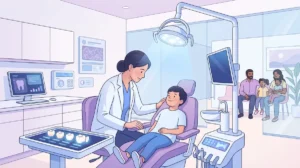
The patient experience matters more than ever in 2026. People expect dental visits to feel less like medical appointments and more like spa visits. From the moment you walk through the door, everything should feel welcoming and calm. The best dental practices focus on reducing anxiety, especially for children and nervous adults.
Online scheduling has become standard. You should be able to book, change, or cancel appointments through a website or app without making a phone call. Digital forms let you complete paperwork at home, so you don’t waste time in the waiting room with a clipboard. Transparent pricing is also crucial. Nobody likes surprise bills, so practices should provide clear cost estimates before treatment begins.
Wait times have also improved. Modern scheduling systems reduce overbooking and keep appointments running on time. Many practices now send text reminders the day before your visit and update you if the dentist is running late. These small touches show respect for your time.
What Makes Patients Feel Comfortable
- Friendly, well-trained staff who remember your name
- Clean, modern offices with comfortable seating
- Clear communication about procedures and costs
- Multiple payment options and flexible financing
- Respectful treatment of your time with minimal wait times
- Follow-up calls or texts to check on your recovery
At Dental Theory, we understand that every patient is different. Some people breeze through appointments with no problems, while others feel nervous just thinking about the dentist. Our team takes time to listen to your concerns and adjust our approach to match your comfort level. Dr. Pri specializes in making children feel safe and calm, even during complex procedures.

4. Provide Comprehensive Services for All Ages
The best dental practices offer services for the whole family under one roof. This saves time and builds trust because you’re not constantly switching between different offices. Comprehensive care includes everything from routine cleanings to specialty treatments like root canal therapy and cosmetic dentistry.
General dentistry forms the foundation. This includes regular checkups, cleanings, fillings, and preventive care. About 1 in 4 adults in the United States still has untreated cavities by 2026, despite all our advances in dental care. Regular visits to a family dental practice help catch problems early before they become painful and expensive.
Pediatric dentistry requires special training and equipment. Children need different approaches than adults, both in treatment techniques and in how dentists communicate. A board-certified pediatric dentist knows how to make dental visits fun and educational for kids. This early positive experience sets children up for a lifetime of good oral health habits.
| Service Category | Examples | Who It Helps |
|---|---|---|
| General Dentistry | Cleanings, fillings, exams, X-rays | Everyone, all ages |
| Pediatric Dentistry | Child-friendly exams, fluoride treatments, dental education | Children and teens |
| Cosmetic Dentistry | Teeth whitening, veneers, bonding, Invisalign | Adults seeking smile improvements |
| Specialty Treatments | Root canals, extractions, Same-Day Crowns | Patients needing advanced care |
The Rise of Cosmetic Dentistry
Cosmetic dentistry continues to grow in 2026. The market for these services is expected to surpass $5.6 billion this year. People want whiter teeth, straighter smiles, and more confidence. Modern cosmetic treatments are faster and more affordable than ever before. Dr. K specializes in cosmetic procedures and adult dentistry, helping patients achieve the smile they’ve always wanted.
5. Focus on Team Training and Development
Behind every great dental practice is a well-trained team. In 2026, workforce challenges affect dental offices just like every other industry. Staff shortages, high turnover, and the need to learn new technology create pressure on practices. The best offices invest heavily in ongoing training for their entire team.
Clinical skills training keeps everyone up to date on the latest techniques and procedures. But technical knowledge isn’t enough. Staff also need training in patient experience, communication, and customer service. The receptionist who greets you on the phone, the hygienist who cleans your teeth, and the dental assistant who hands instruments to the dentist all play crucial roles in your experience.
Compliance training has also become more important. Dental practices must follow strict regulations about infection control, patient privacy, and billing practices. Regular training ensures that everyone understands these rules and follows them consistently. This protects both patients and the practice from problems.
Essential Training Areas for Dental Teams
- New treatment techniques and technologies
- Patient communication and bedside manner
- Emergency response and crisis management
- Insurance verification and billing procedures
- HIPAA compliance and data security
- Conflict resolution and difficult conversations
At Dental Theory, we believe that investing in our team directly benefits our patients. When our staff feels confident and supported, they provide better care and create a more positive environment for everyone who walks through our door.
6. Adapt to Group Practice and DSO Models
The structure of dental practices is changing. Solo dentists working alone in small offices are becoming less common. Instead, group practices and DSOs (Dental Support Organizations) are growing rapidly. These larger structures bring several advantages that help practices stay competitive and resilient.
Group practices share overhead costs like rent, equipment, and staff salaries. This makes financial management easier and more stable. They can also offer more services because multiple dentists with different specialties work together. If you need a root canal and a crown, you can get both done in the same building by experts in each procedure.
DSOs handle administrative tasks centrally, which frees up dentists to focus on patient care. Scheduling, billing, marketing, and compliance become someone else’s problem. This centralization can improve efficiency and reduce errors. It also means practices can negotiate better rates with suppliers and insurance companies.
Benefits of Modern Practice Structures
- Lower operating costs through shared resources
- Access to multiple specialists in one location
- Better work-life balance for dental professionals
- More consistent quality standards across locations
- Stronger financial stability during economic challenges
Not everyone likes the DSO model. Some patients prefer the personal touch of a solo practitioner. The best approach combines the efficiency of modern structures with the warmth of family-focused care. Dental Theory offers the comprehensive services of a group practice while maintaining our commitment to treating every patient like family. You’ll work with the same dentists and staff who know your history and preferences.
7. Implement Smart Marketing and Financial Practices
Running a successful dental practice in 2026 requires more than just great clinical skills. Business management matters too. Practices need strong financial systems, effective marketing, and flexible payment options to thrive in a competitive environment.
Financial management starts with tracking key metrics. Practices must monitor revenue, expenses, collection rates, and profit margins. Billing and collections need tight processes to reduce unpaid invoices. Many practices now use automated billing systems that send reminders and process payments electronically. This reduces errors and speeds up payment.
Payment flexibility has become essential. Not everyone has dental insurance, and even insured patients often face high deductibles. The best practices offer multiple payment options including payment plans, credit cards, and in-house membership plans. These alternatives help patients afford the care they need without delaying treatment.
Marketing has also evolved dramatically. A strong online presence is no longer optional. Patients research dental practices online before making appointments. Your website, Google reviews, social media presence, and online scheduling all influence whether someone chooses your practice. According to recent data, practices with 4.5 stars or higher on Google get significantly more new patient inquiries than those with lower ratings.
| Marketing Channel | Purpose | Key Metric |
|---|---|---|
| Website | First impression, service information, online booking | Conversion rate (visitors who book) |
| Google Business Profile | Local search visibility, reviews, directions | Number of positive reviews |
| Social Media | Community engagement, patient education, personality | Follower growth and engagement rate |
| Email/SMS | Appointment reminders, promotions, follow-ups | Open rate and response rate |
Building Trust Through Reviews and Referrals
Word-of-mouth remains the most powerful marketing tool. Happy patients tell their friends and family about great experiences. Encouraging satisfied patients to leave online reviews helps build your reputation. You can visit us on Google to see what our patients say about their experiences at Dental Theory.
Referral programs can also boost growth. Some practices offer discounts or perks to patients who refer new families. This rewards loyalty while bringing in new patients who already trust your practice based on a friend’s recommendation.
Insurance and Payment Options
Understanding insurance can be confusing for patients. Practices should help patients maximize their benefits by verifying coverage before appointments and explaining what’s covered versus what patients need to pay out of pocket. Staff training in insurance verification prevents surprises at checkout.
For patients without insurance, membership plans provide an affordable alternative. These plans typically include preventive care like cleanings and exams for an annual fee. Additional treatments receive discounts. This model works well for individuals and families who want predictable dental costs without traditional insurance.
Conclusion: Finding Your Ideal Dental Practice
Choosing a dental practice in 2026 means looking beyond just clinical skills. You want a practice that uses modern technology, offers convenient options like teledentistry, creates a comfortable experience, and provides comprehensive services for your whole family. The best practices invest in their teams, adapt to changing business models, and maintain strong financial and marketing systems.
Dental Theory combines all these elements to serve families in Brandon, Florida. We use the latest technology, offer services from sedation dentistry for kids to adult cosmetic treatments, and create a stress-free environment for patients of all ages. Our board-certified pediatric dentist, Dr. Priyanka Karapasha, is the only one in Brandon offering in-office sedation for children. Dr. Chris Karapasha specializes in adult and cosmetic dentistry, including Same-Day Crowns that eliminate the need for multiple visits.
Whether you’re looking for routine care, specialty treatments, or cosmetic improvements, we’re here to help. Schedule an appointment today and experience the difference that a patient-focused, technology-driven dental practice can make for your family’s oral health.
FAQs
Q: What technology should I look for in a modern dental practice?
A: Look for practices that use digital X-rays, 3D scanners, AI-assisted diagnostics, and online scheduling systems. These tools make visits faster, more comfortable, and more accurate. Digital technology also reduces radiation exposure and eliminates messy molds for crowns and aligners.
Q: How does teledentistry work for dental appointments?
A: Teledentistry uses video calls for consultations, follow-ups, and urgent triage. It’s perfect for initial discussions about treatment, checking on healing after procedures, or determining if pain requires an in-person visit. About 30% of dental consultations now happen virtually, saving time and making care more accessible.
Q: Should I choose a solo dentist or a group practice?
A: Both can be excellent. Group practices often offer more services under one roof and better access to specialists. They may also have more flexible scheduling. Solo practices might feel more personal. The best choice depends on your needs—consider what services you need and what atmosphere makes you comfortable.
Q: What if I don’t have dental insurance?
A: Many practices offer in-house membership plans that provide preventive care and discounts on treatments for an annual fee. You can also ask about payment plans or financing options. These alternatives make dental care affordable without traditional insurance and often save money compared to paying out-of-pocket rates.
Q: How can I tell if a dental practice is right for my family?
A: Check online reviews, visit the practice’s website, and look at their Google Business Profile. Schedule a consultation to meet the team and see the office. Ask about services for all family members, sedation options for anxious children, payment flexibility, and how they handle emergencies. Trust your instincts about whether the environment feels welcoming and professional.