Key Takeaways
-
See a dentist if jaw pain lasts more than a few days, as persistent pain signals a potentially serious issue requiring professional diagnosis and treatment.
-
Jaw pain combined with clicking sounds, difficulty opening your mouth, or jaw locking are clear signs of TMJ disorders that need prompt dental evaluation.
-
Jaw pain after eating, waking up with soreness, or pain worsening with stress often indicates teeth grinding, bite misalignment, or muscle tension requiring professional care.
-
Swelling, numbness, tingling, or pain radiating to your neck and shoulders are warning signs of infection or nerve involvement that should be checked immediately.
-
Jaw pain from damaged teeth can be treated with same-day ceramic crowns, eliminating multiple visits and providing faster relief for busy adults.
-
Children can develop jaw pain from grinding teeth, thumb sucking, or injuries; early pediatric dental visits help prevent long-term complications and discomfort.
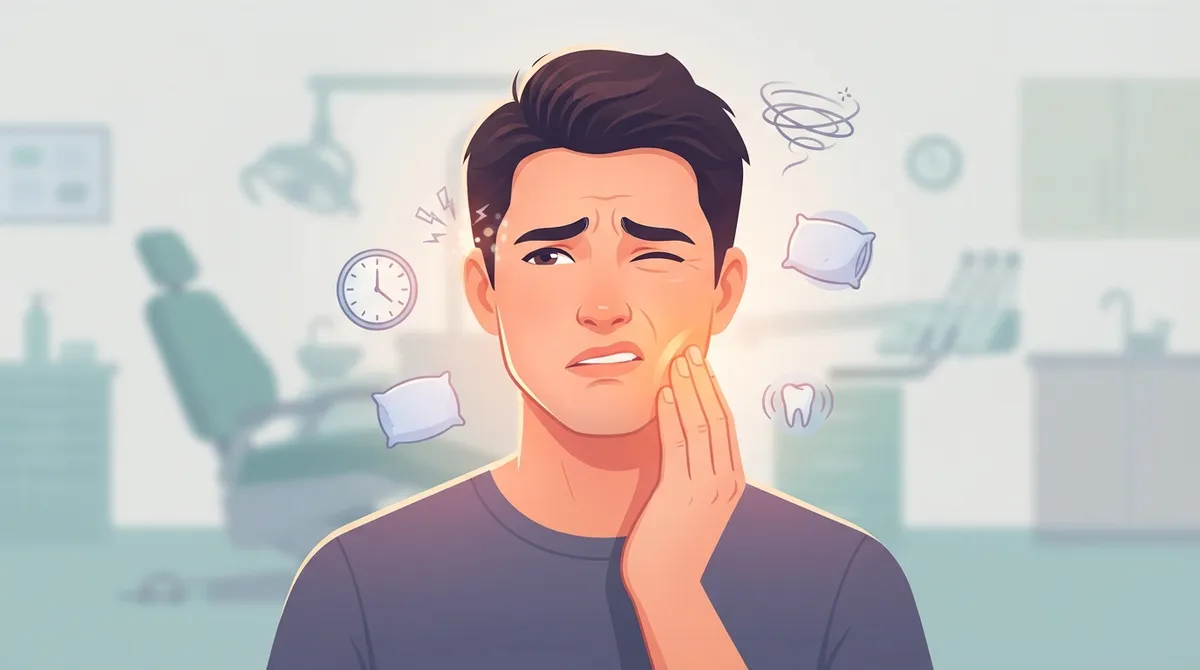
That nagging ache in your jaw might seem like no big deal at first. Maybe you chalk it up to stress or a bad night’s sleep. But jaw pain can be your body’s way of waving a red flag. Knowing when to see a dentist for jaw pain can save you from bigger problems down the road, including damaged teeth, chronic headaches, and even sleep issues.
Here in Brandon, Florida, families trust Dental Theory to sort out everything from routine cleanings to tricky jaw pain mysteries. Whether you’re dealing with a dull ache after a long day or sharp pain that won’t quit, this guide walks you through 14 clear signs it’s time to book an appointment. Let’s get you back to smiling comfortably.
Why Jaw Pain Deserves Your Attention
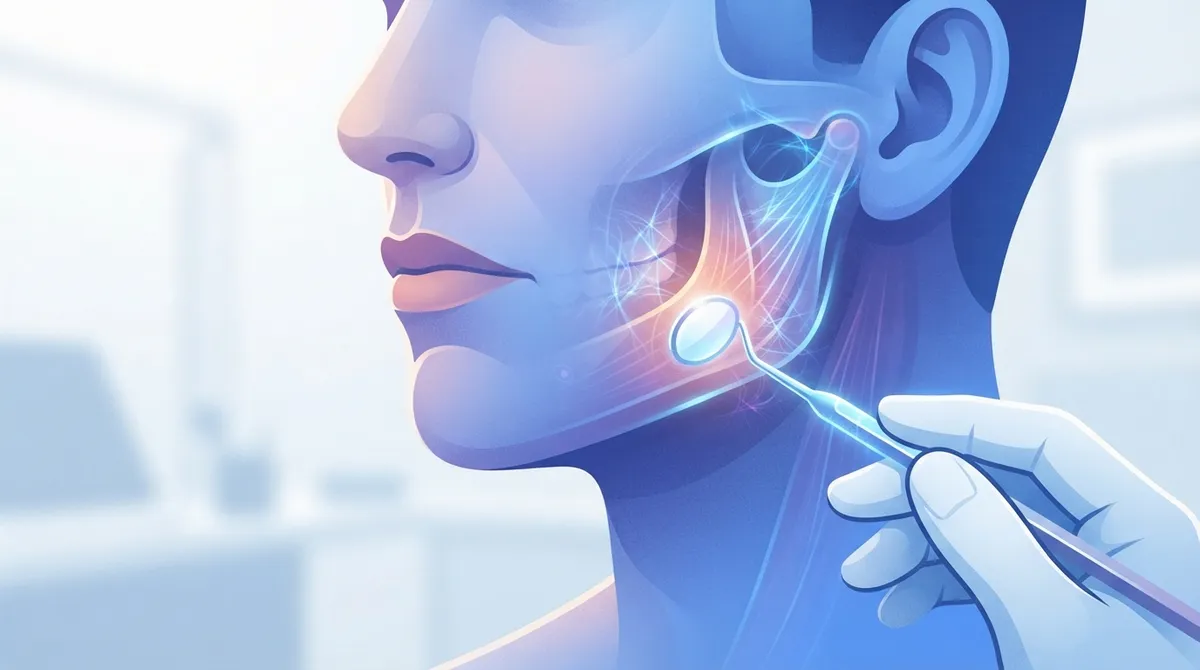
Your jaw does a lot of work every single day. It helps you chew, talk, and even yawn. When something goes wrong with your jaw joint or the muscles around it, everyday tasks can become painful. Jaw pain often points to issues like TMJ disorders, teeth grinding, or even dental infections that need quick care.
Ignoring jaw pain rarely makes it go away. In fact, waiting too long can turn a small issue into a much bigger, more expensive problem. That’s why understanding the warning signs matters so much.
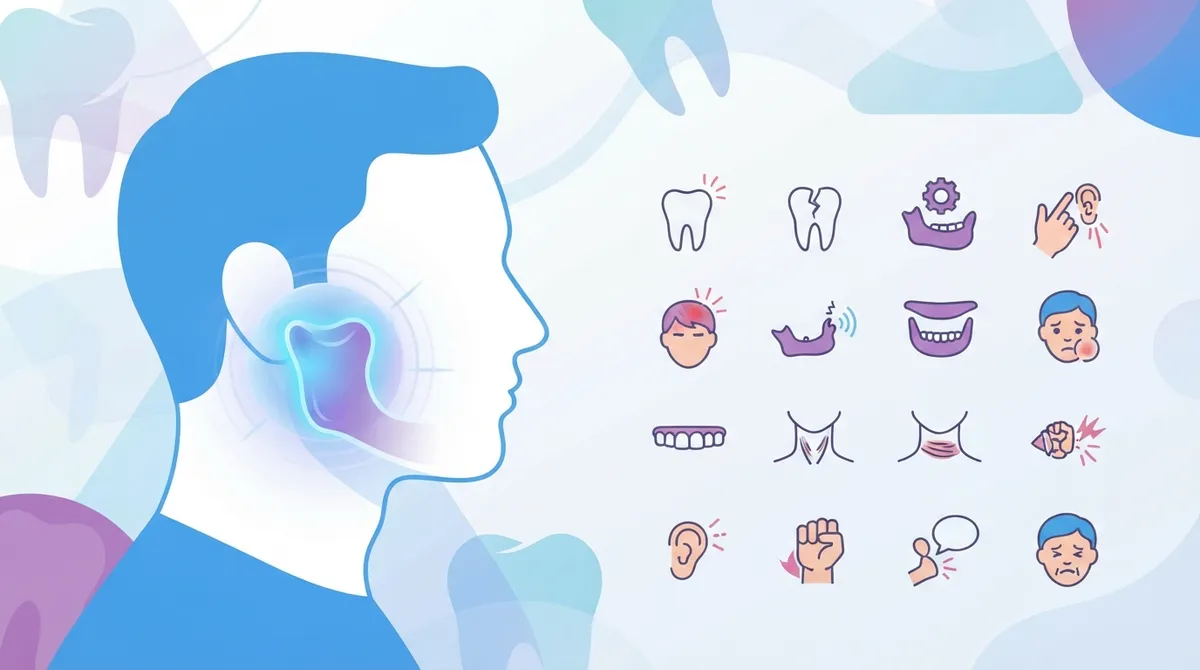
14 Signs You Should See A Dentist For Jaw Pain
1. Pain That Lasts More Than A Few Days
Minor jaw soreness sometimes fades on its own within a day or two. But if the pain sticks around for a week or longer, something more serious could be going on. Persistent pain is one of the clearest signs you need professional help.
2. Clicking Or Popping Sounds
Do you hear a click every time you open your mouth wide? This could point to a TMJ disorder. Clicking sounds alone might not be an emergency, but paired with pain, they’re worth checking out.
3. Difficulty Opening Or Closing Your Mouth
Struggling to open your mouth fully, or feeling like your jaw gets stuck, is a big warning sign. This limited movement often means the jaw joint or surrounding muscles are inflamed or damaged.
4. Jaw Pain After Eating
Chewing shouldn’t hurt. If jaw pain flares up specifically during or after meals, your bite alignment or jaw joint might be the culprit. This is a common reason patients search for general dentistry care in Brandon.
5. Frequent Headaches Or Earaches
Jaw problems often masquerade as headaches or ear pain. Many people don’t realize their jaw is the source until a dentist examines them. If you’ve been treating headaches without relief, your jaw could be the real issue.
6. Waking Up With A Sore Jaw
Morning jaw soreness is a classic sign of nighttime teeth grinding, also called bruxism. This habit wears down teeth and stresses the jaw joint while you sleep, often without you even knowing it’s happening.
7. Swelling Around The Jaw Or Face
Any noticeable swelling near your jaw could mean infection or injury. This symptom should never be ignored, especially if it comes with fever or intense pain.
8. Pain That Spreads To Your Neck Or Shoulders
Jaw pain doesn’t always stay put. When discomfort radiates into your neck and shoulders, it often means muscle tension connected to jaw clenching or misalignment.
9. A Recent Injury To Your Face Or Jaw
Took a hit to the face during sports or an accident? Even if nothing feels broken, jaw pain after trauma deserves a dental checkup. Hidden fractures or joint damage aren’t always obvious right away.
10. Numbness Or Tingling
Numbness in your jaw, lips, or face is unusual and should be checked immediately. This symptom can point to nerve involvement, which requires prompt professional evaluation.
11. Pain Combined With A Toothache
Sometimes jaw pain and tooth pain go hand in hand. This combination could signal an infection, abscess, or a tooth that needs urgent attention. Learn more about when cavities need immediate care.
12. Jaw Locking In Place
If your jaw ever locks open or shut, even briefly, this is a serious sign of TMJ dysfunction. Don’t wait for it to happen again before seeking help.
13. Pain That Worsens With Stress
Stress often shows up in our jaws before we even notice we’re clenching. If you notice your jaw pain gets worse during stressful weeks, a dentist can help you manage both the symptoms and the habit.
14. Pain That Interferes With Sleep Or Daily Life
When jaw pain keeps you up at night or makes it hard to focus at work, it’s time to stop waiting. Quality of life matters, and relief is available.
Common Causes Of Jaw Pain
Understanding what’s behind your jaw pain helps you and your dentist find the right fix faster. Here are some of the most common culprits:
- TMJ disorders affecting the jaw joint
- Teeth grinding or clenching, especially at night
- Misaligned teeth or an uneven bite
- Dental infections or abscesses
- Sinus infections that create referred pain
- Injury or trauma to the face or jaw
- Arthritis affecting the jaw joint
What To Expect At Your Dental Visit
Walking into a dental office for jaw pain might feel intimidating if you don’t know what’s coming. Here’s a simple breakdown of what usually happens:
- Your dentist will ask about your symptoms and when they started
- A physical exam of your jaw, teeth, and bite will follow
- Digital X-rays may be taken to check for hidden issues
- Your dentist will discuss possible causes based on findings
- A treatment plan will be created, tailored to your specific needs
- Follow-up care will be scheduled if needed
At Dental Theory, we use modern digital X-rays to get a clear picture of what’s happening beneath the surface. This helps us pinpoint the cause of your jaw pain quickly and accurately.
Treatment Options For Jaw Pain
Treatment depends on what’s causing your discomfort. Below is a quick comparison of common approaches dentists use for jaw pain relief.
| Cause | Common Treatment | Recovery Time |
|---|---|---|
| Teeth grinding (bruxism) | Custom night guard | Ongoing management |
| TMJ disorder | Physical therapy, splints, or TMJ rehabilitation | Weeks to months |
| Misaligned bite | Orthodontic treatment or Invisalign | Several months |
| Dental infection | Root canal therapy or extraction | 1-2 visits |
| Damaged tooth causing pain | Dental crown placement | Same-day with Dr. K |
Same-Day Solutions When A Tooth Is To Blame
Sometimes jaw pain actually starts with a cracked or damaged tooth. When your bite feels off because of tooth damage, the entire jaw can suffer. That’s where Dr. K steps in with same-day ceramic crowns. Instead of waiting weeks for a lab-made crown, patients can walk out the same day with a fully restored tooth. This means less time dealing with pain and more time enjoying life.
Same-day crowns are especially helpful for adults juggling busy schedules who can’t afford multiple dental visits. Learn more about how same-day crowns work and why they’re such a convenient option.
Jaw Pain In Children: When Parents Should Worry
Jaw pain isn’t just an adult problem. Kids can experience it too, often from teeth grinding, thumb sucking habits, or injuries during play. Parents should watch for these signs:
- Complaints of jaw soreness after waking up
- Reluctance to chew certain foods
- Visible clenching or grinding during sleep
- Jaw pain following a fall or sports injury
If your child shows any of these signs, a pediatric dental visit can help. Dr. Pri, our board-certified pediatric dentist, specializes in gentle care for kids of all ages. For anxious or special-needs children, in-office sedation options make the visit stress-free for the whole family.
Simple Ways To Ease Jaw Pain At Home
While you wait for your appointment, a few simple steps might bring some relief:
- Apply a warm compress to the sore area for 10-15 minutes
- Stick to soft foods to reduce jaw strain
- Avoid chewing gum until the pain improves
- Practice gentle jaw stretches if recommended by your dentist
- Try to reduce stress through relaxation techniques
These tips can help manage discomfort, but they aren’t a substitute for professional care. If pain continues, a dental visit is still the best next step.
Why Choose Dental Theory For Jaw Pain Concerns
Living in Brandon means you have access to a dental practice that treats the whole family with care and expertise. Our team combines the latest technology with a warm, welcoming environment to make every visit as stress-free as possible. Whether it’s a routine check or a jaw pain mystery, we’re here to help.
Dr. Chris Karapasha brings years of experience treating adult dental needs, including jaw-related concerns tied to damaged teeth or bite issues. In fact, Dr. Chris Karapasha has been named one of America’s Top Young Dentists in Incisal Edge magazine’s 2025 40 Under 40, a recognition that reflects his dedication to quality patient care. You can also check out his professional credentials through his Gold+ Invisalign provider profile.
Curious what other Brandon families think? You can visit us on Google — Dental Theory to read real patient reviews. We also share updates and patient stories when you visit us on Facebook.
Don’t Wait Until It Gets Worse
Jaw pain is easy to ignore until it isn’t. What starts as a mild ache can turn into chronic discomfort, sleep problems, or even tooth damage if left untreated. The good news is that most causes of jaw pain are treatable once properly diagnosed.
If you’re dealing with any of the 14 signs mentioned above, don’t wait for things to improve on their own. Understanding your insurance coverage can also make the process smoother. Check out our insurance information to see what options are available to you.
Take The Next Step Toward Relief
Your jaw pain doesn’t have to be a mystery, and it definitely doesn’t have to be your new normal. Whether it’s stress-related clenching, a TMJ issue, or a damaged tooth causing trouble, our Brandon team is ready to help you find real relief. Ready to feel better? Contact Dental Theory today to schedule your visit, or schedule an appointment online at a time that works for you. Your comfortable, pain-free smile is closer than you think.
FAQs
Q: When should I see a dentist for jaw pain?
A: You should see a dentist if jaw pain lasts more than a few days, comes with clicking sounds, or makes it hard to open your mouth. Swelling, numbness, or pain that spreads to your ear or neck are also signs to book a visit soon. Don’t wait around hoping it fixes itself, it’s always better to get checked!
Q: Can jaw pain be caused by a tooth problem?
A: Yes, absolutely! A damaged, infected, or cracked tooth can throw off your bite and cause jaw pain. The good news is that fixing the tooth, sometimes with a same-day crown, often relieves the jaw discomfort too.
Q: Is jaw pain always related to TMJ?
A: Not always, though TMJ disorders are a common cause. Jaw pain can also come from teeth grinding, dental infections, sinus issues, or even stress-related clenching. That’s why a proper dental exam is so helpful for figuring out the real cause.
Q: What happens if I ignore jaw pain for too long?
A: Ignoring jaw pain can let a small issue turn into a bigger problem, like worn-down teeth, chronic headaches, or a locked jaw joint. It’s much easier and often less expensive to treat jaw pain early rather than waiting until it gets worse.
Q: Can children have jaw pain too?
A: Yes, kids can experience jaw pain from grinding their teeth, thumb sucking, or injuries during play. If your child complains about jaw soreness, a visit with a pediatric dentist can help catch the issue early and keep them comfortable.
Our Service Area