
Key Takeaways
-
Stress and anxiety are the primary cause of bruxism in adults; nighttime grinding often worsens during particularly stressful periods, so identifying and managing stress is crucial for relief.
-
Misaligned teeth or bite problems (malocclusion) force jaw muscles to work overtime; correcting bite alignment through orthodontics like Invisalign can significantly improve or resolve grinding habits.
-
Sleep disorders like sleep apnea are strongly linked to nighttime bruxism, as your body may clench or grind to reopen blocked airways; loud snoring or gasping for air indicates a need for medical evaluation.
-
Caffeine and alcohol consumption increase nighttime grinding risk by affecting nervous system control; reducing evening intake of these substances can help decrease grinding episodes.
-
Custom nightguards protect teeth during sleep while you address underlying causes, and same-day ceramic crowns can repair grinding-damaged teeth in a single appointment without multiple visits.
-
Bruxism in children is typically temporary during tooth development and often resolves naturally; however, persistent grinding should be monitored at dental checkups to prevent unnecessary wear.
Ever wake up with a sore jaw or a dull headache that just won’t quit? You might be dealing with bruxism, and you’re definitely not alone. Grinding and clenching your teeth is one of the most common dental issues we see here in Brandon, Florida. The good news? Once you understand what causes bruxism, you can take real steps to protect your smile.
Bruxism can sneak up on anyone, from busy adults juggling work and family to kids dealing with new experiences at school. Some folks grind their teeth at night without even knowing it. Others clench during the day when stress piles up. Either way, this habit can wear down your teeth, hurt your jaw, and even disrupt your sleep. Let’s break down the real reasons behind bruxism so you can find relief and get back to smiling with confidence.
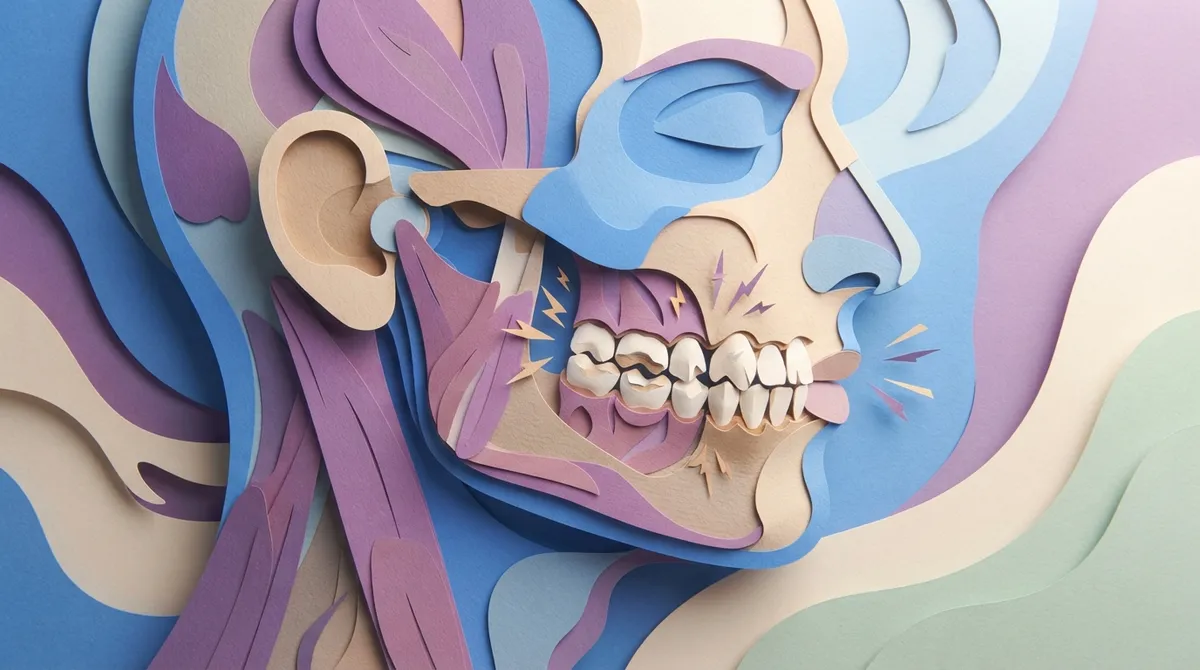
What Is Bruxism, Exactly?
Bruxism is simply the medical term for teeth grinding or jaw clenching. It can happen while you’re awake or fast asleep. Many people don’t even realize they’re doing it until a partner mentions the noise, or a dentist spots the wear and tear during a checkup.
This habit puts a lot of pressure on your teeth, gums, and jaw joints. Over time, it can lead to cracked teeth, worn enamel, and painful jaw problems. That’s why understanding the root causes matters so much for your long-term oral health.
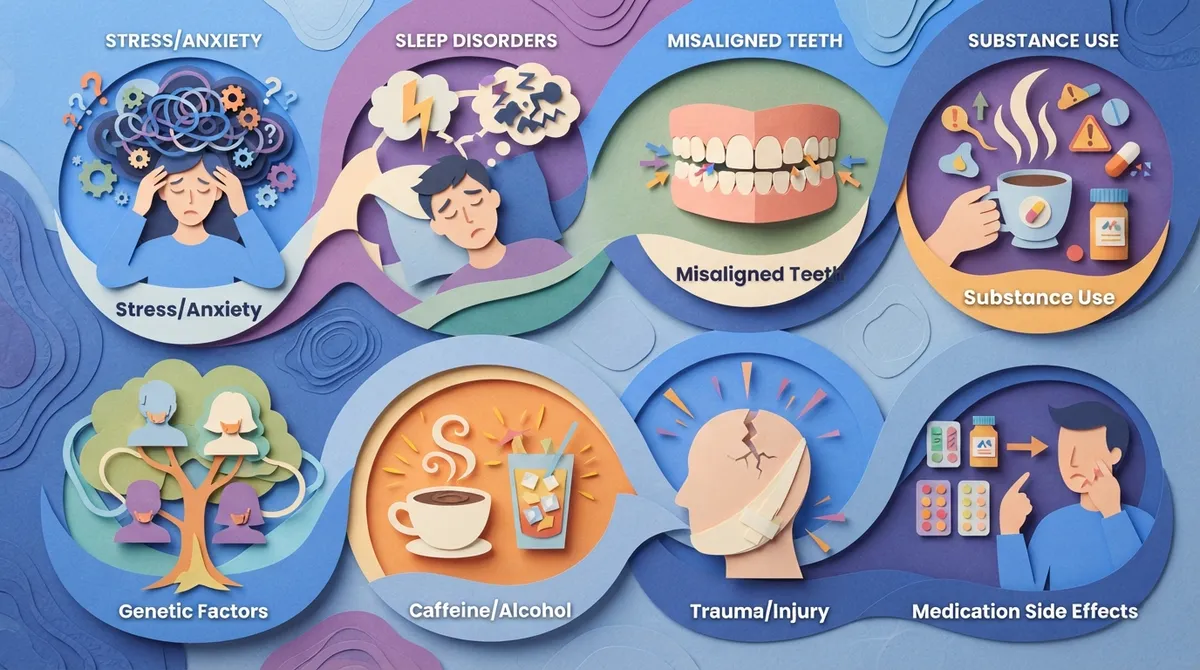
8 Common Causes of Bruxism
Let’s walk through the biggest reasons people grind or clench their teeth. Knowing these triggers can help you and your dentist create a plan that actually works.
1. Stress and Anxiety
This is the number one cause of bruxism in adults. When life gets overwhelming, your body holds tension in surprising places, including your jaw. Many people clench their teeth without even noticing during stressful meetings, traffic jams, or tough family moments.
Nighttime grinding often gets worse during particularly stressful seasons of life. If you notice more jaw soreness during busy weeks at work, stress could be your main trigger.
2. Misaligned Teeth or Bite Problems
When your upper and lower teeth don’t fit together properly, your jaw muscles work overtime trying to find a comfortable position. This misalignment, sometimes called malocclusion, can trigger grinding as your mouth searches for balance.
Straightening your smile can sometimes ease this problem. Many patients who complete Invisalign treatment notice their grinding improves once their bite is properly aligned.
3. Sleep Disorders
Conditions like sleep apnea are closely linked to nighttime bruxism. When your airway gets blocked during sleep, your body may respond by clenching or grinding as a way to reopen your airway. If you snore loudly or wake up gasping for air, this could be connected to your teeth grinding too.
4. Caffeine and Alcohol Use
Your daily coffee habit might be doing more than waking you up. Studies show that heavy caffeine and alcohol consumption can increase the odds of nighttime grinding. These substances affect your nervous system and can make muscle activity harder to control while you sleep.
5. Certain Medications
Some antidepressants and other prescription drugs list teeth grinding as a possible side effect. If you started a new medication around the same time your grinding began, it’s worth mentioning to both your doctor and your dentist.
6. Genetics
Bruxism sometimes runs in families. If your parents or siblings grind their teeth, you may be more likely to develop the habit too. Researchers believe there’s a genetic component, though lifestyle and stress still play a huge role.
7. Age and Childhood Development
Kids often grind their teeth as their baby teeth come in and adult teeth start to develop. This is usually temporary and often goes away on its own. Still, it’s smart to keep an eye on it during routine visits with your family dentist.
8. Crooked or Missing Teeth
Gaps from missing teeth or crowding from crooked teeth can throw off your bite. Your jaw may compensate by clenching or grinding, especially at night when you have less control over your movements.
Common Symptoms That Point to Bruxism
Not sure if you’re actually grinding your teeth? Here are the signs to watch for:
- Waking up with a sore or tight jaw
- Frequent headaches, especially in the morning
- Flattened, chipped, or cracked teeth
- Increased tooth sensitivity
- Jaw clicking or popping sounds
- Sore facial muscles
- A partner mentioning grinding noises at night
How Bruxism Causes Differ Between Adults and Children
The reasons behind grinding can look pretty different depending on age. Here’s a quick comparison:
| Cause | More Common in Adults | More Common in Children |
|---|---|---|
| Stress and Anxiety | Yes | Sometimes (school, new experiences) |
| Misaligned Bite | Yes | Yes (developing teeth) |
| Sleep Disorders | Yes | Rare |
| Caffeine/Alcohol | Yes | No |
| Medications | Yes | Rare |
| Genetics | Yes | Yes |
| Tooth Development | No | Yes (very common) |
How Dental Theory Helps Diagnose the Cause
Figuring out why you grind your teeth takes a little detective work. Here’s what typically happens during a visit focused on bruxism:
- A full review of your dental and medical history
- A close look at your teeth for signs of wear, chips, or flattening
- An evaluation of your bite and jaw alignment
- Discussion of stress levels, sleep habits, and lifestyle factors
- Custom recommendations, which may include a nightguard or further treatment
For adults dealing with bite issues linked to grinding, Dr. K offers thorough evaluations and treatment options tailored to your specific situation. His work in cosmetic dentistry often overlaps with bite correction, especially for patients whose grinding stems from misaligned teeth.
Treatment Options Worth Knowing About
Once your dentist figures out the cause, treatment can start. Here are some common options:
- Custom nightguards to protect teeth during sleep
- Stress management techniques and relaxation strategies
- Correcting bite alignment through orthodontic treatment
- Adjusting or replacing damaged teeth with crowns or veneers
- Reviewing medications with your physician
- Cutting back on caffeine and alcohol, especially in the evening
If grinding has already damaged a tooth, restorative options like same-day crowns can repair the damage in a single visit. Dr. K uses this technology so patients never have to wait around or come back for a second appointment. Since our office only uses ceramic crowns, you get a durable, natural-looking result that blends right in with your smile.
When to See a Dentist About Grinding
Don’t wait until the damage gets serious. Here’s when you should schedule a visit:
- You notice new jaw pain or soreness most mornings
- Your teeth look flatter or shorter than before
- You have frequent headaches with no clear cause
- A family member says you grind loudly at night
- Your tooth sensitivity has increased suddenly
Catching bruxism early can save you from bigger problems, like cracked teeth or jaw disorders. A quick visit to general dentistry can help you get ahead of the issue before it worsens.
Bruxism in Kids: What Parents Should Know
Many parents worry when they hear their child grinding their teeth at night. In most cases, this is a normal part of growing up and tends to fade once all the adult teeth come in. Still, it’s smart to bring it up during your child’s routine dental visits.
If your little one seems anxious about dental checkups, gentle sedation options are available for children who need extra comfort. Dr. Pri, our board-certified pediatric dentist, is the only provider in Brandon offering in-office sedation specifically for kids, making it easier for anxious little ones to get the care they need without stress.
Simple Habits That May Reduce Grinding
While you can’t always control bruxism completely, small changes can help ease the habit:
- Practice relaxation techniques before bed, like deep breathing
- Cut back on caffeine in the afternoon and evening
- Avoid chewing on pens, ice, or other hard objects
- Keep a consistent sleep schedule
- Stay hydrated throughout the day
- Talk to your dentist about a custom nightguard
These habits won’t replace professional care, but they can support your treatment plan and reduce flare-ups.
Why Choose Dental Theory for Bruxism Care
Here in Brandon, families trust Dental Theory for friendly, judgment-free care that actually gets results. Whether you need a bite evaluation, a custom nightguard, or restorative work after years of grinding, our team takes time to understand what’s really causing your symptoms.
Dr. Chris Karapasha’s expertise has even been recognized nationally. In fact, Dr. Chris Karapasha has been named one of America’s Top Young Dentists in Incisal Edge magazine’s 2025 40 Under 40, a distinction that reflects the level of care you can expect at our practice. You can also check out Dr. K’s Gold+ Invisalign Profile to learn more about his experience straightening smiles and correcting bites.
Curious what other patients say about their experience? Feel free to visit us on Google — Dental Theory to read real reviews from Brandon families just like yours. You can also visit us on Facebook to stay up to date on office news and helpful dental tips.
And if you’re tackling home projects this season, our friends at Wayne & Sons Landscaping & Junk Removal can help keep your yard looking just as fresh as your smile.
Take the Next Step Toward Relief
Bruxism doesn’t have to control your life or wreck your smile. Understanding what’s behind your grinding is the first step toward real relief. Whether it’s stress, bite alignment, or something else entirely, our team is here to help you figure it out.
Ready to protect your teeth and finally get some answers? Contact Dental Theory today to schedule your evaluation. You can also schedule an appointment online at a time that works best for your busy Brandon lifestyle. Your jaw, your teeth, and your future smile will thank you.
FAQs
Q: What causes bruxism the most?
A: Stress and anxiety are usually the biggest culprits behind bruxism in adults. Misaligned bites and sleep disorders also play a big role, so it really helps to get a proper dental evaluation to pinpoint your specific trigger.
Q: Can bruxism go away on its own?
A: Sometimes, yes, especially in kids as their adult teeth come in. For adults, though, bruxism often needs some kind of intervention, like a nightguard or bite correction, to truly get it under control.
Q: Is bruxism linked to sleep apnea?
A: It sure can be. Many people who grind their teeth at night also have some form of sleep apnea, since the body may clench the jaw while trying to reopen a blocked airway.
Q: Should I be worried if my child grinds their teeth?
A: Not usually, since it’s a common part of childhood development. Still, it’s worth mentioning at your child’s next dental visit so we can keep an eye on things and make sure it’s not causing extra wear.
Q: Can Dental Theory fix teeth damaged by grinding?
A: Absolutely! We offer same-day ceramic crowns that repair damaged teeth in a single visit, so you won’t have to wait around or come back for multiple appointments to restore your smile.
Our Service Area