Key Takeaways
-
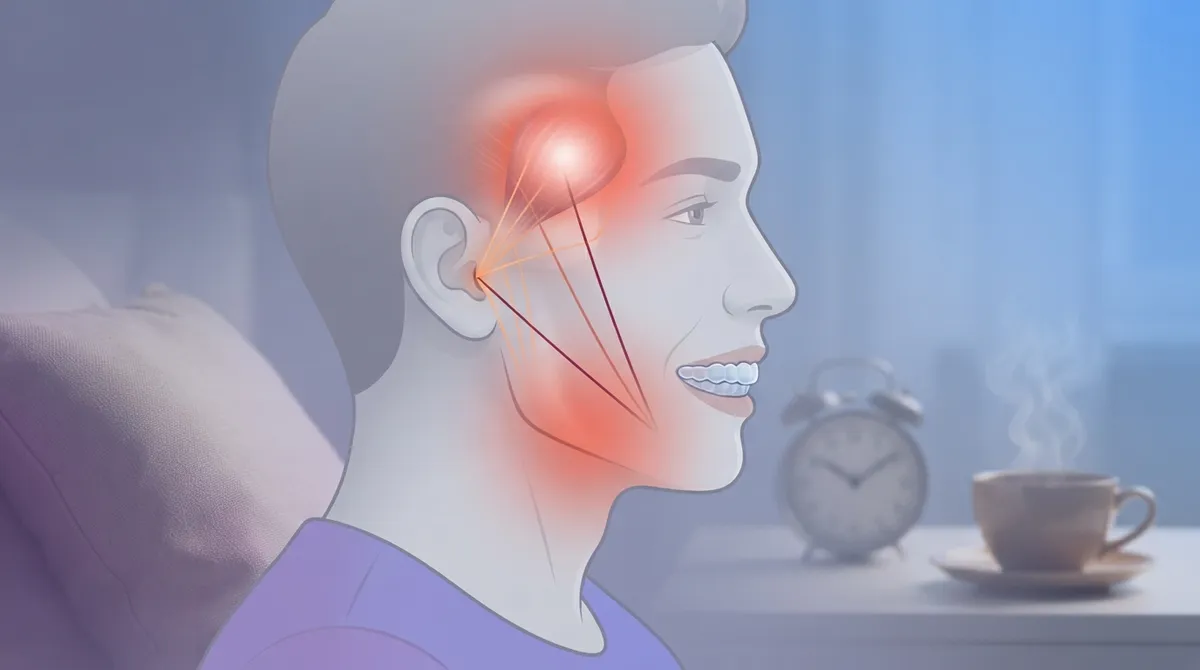
Teeth grinding (bruxism) causes headaches by straining the temporalis muscle along your head's side, creating tension that spreads to temples and behind eyes, especially noticeable upon waking.
-
Ear pain from grinding occurs because the temporomandibular joint (TMJ) sits directly in front of your ear; jaw stress creates referred pain that feels like an ear infection but is actually jaw-related.
-
A custom night guard is the primary treatment for grinding-related headaches and ear pain, cushioning teeth and reducing muscle strain during sleep when grinding typically occurs.
-
Key diagnostic signs include waking with headaches multiple times weekly, worn or flat teeth, jaw soreness upon waking, and partner-reported grinding sounds at night.
-
Lifestyle changes like reducing afternoon caffeine, practicing relaxation techniques before bed, maintaining consistent sleep schedules, and consciously relaxing your jaw during the day can help reduce grinding frequency.
-
If headaches and ear pain persist despite medical clearance, schedule a dental evaluation rather than assuming stress or infection, as dentists can quickly identify grinding damage and jaw joint issues.
Waking up with a dull headache or a weird ache near your ear? You might blame it on stress or a bad pillow. But there’s a good chance your teeth are the real culprit. Teeth grinding, also called bruxism, is more common than most people think. It can quietly wreck your sleep, your jaw, and yes, even cause headaches and ear pain you never connected to your smile.
At Dental Theory in Brandon, FL, we see this all the time. Patients come in thinking they need a doctor for headaches or an ENT for ear pain, when really the fix starts in the dental chair. This article breaks down exactly how teeth grinding causes these symptoms, how to spot the warning signs, and what you can do about it. Let’s dig in.
What Is Teeth Grinding (Bruxism)?
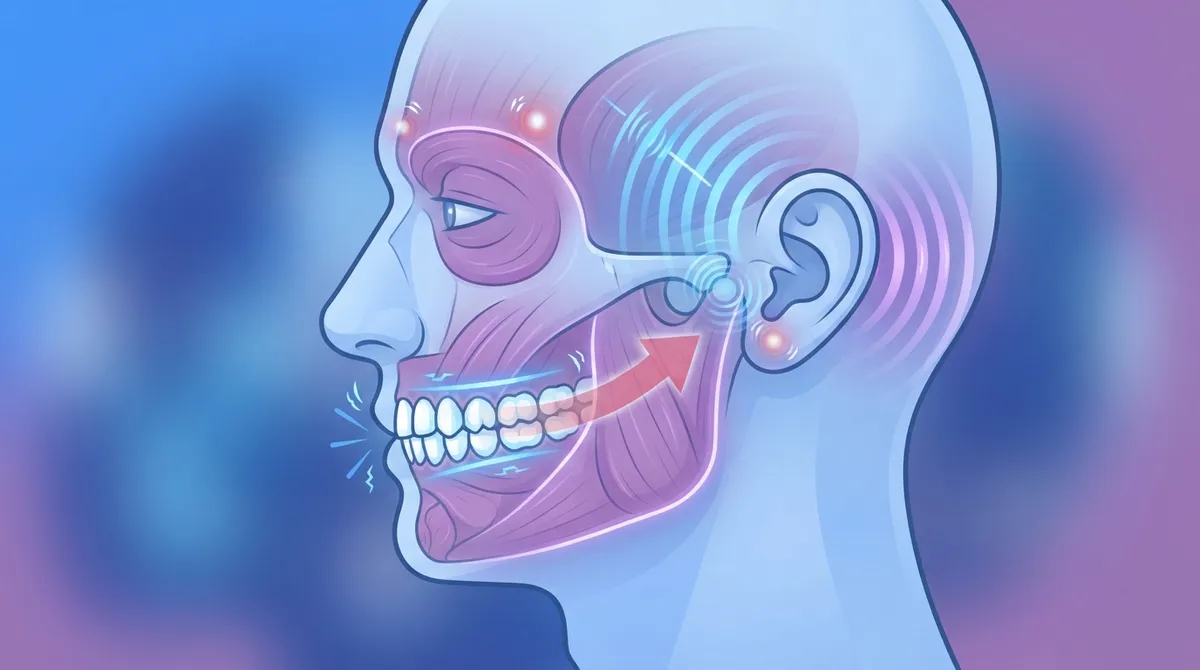
Teeth grinding, known medically as bruxism, happens when you clench or grind your teeth without meaning to. It often happens at night while you sleep. Some people grind during the day too, usually when stressed or focused hard on something.
The muscles used for chewing are some of the strongest in your body. When they clench over and over, night after night, they put a huge amount of pressure on your jaw, teeth, and the muscles around your head and ears. This is why the pain doesn’t always stay in your mouth. It travels.
Common Causes of Teeth Grinding
- Stress and anxiety
- Misaligned bite or crooked teeth
- Sleep disorders, like sleep apnea
- Too much caffeine or alcohol
- Certain medications
- An overly active nervous system during sleep
Understanding the root cause matters because it shapes the treatment plan. If you want a deeper dive into what triggers this habit, check out our article on teeth grinding causes and cures for more expert insight.
Can Teeth Grinding Cause Headaches?
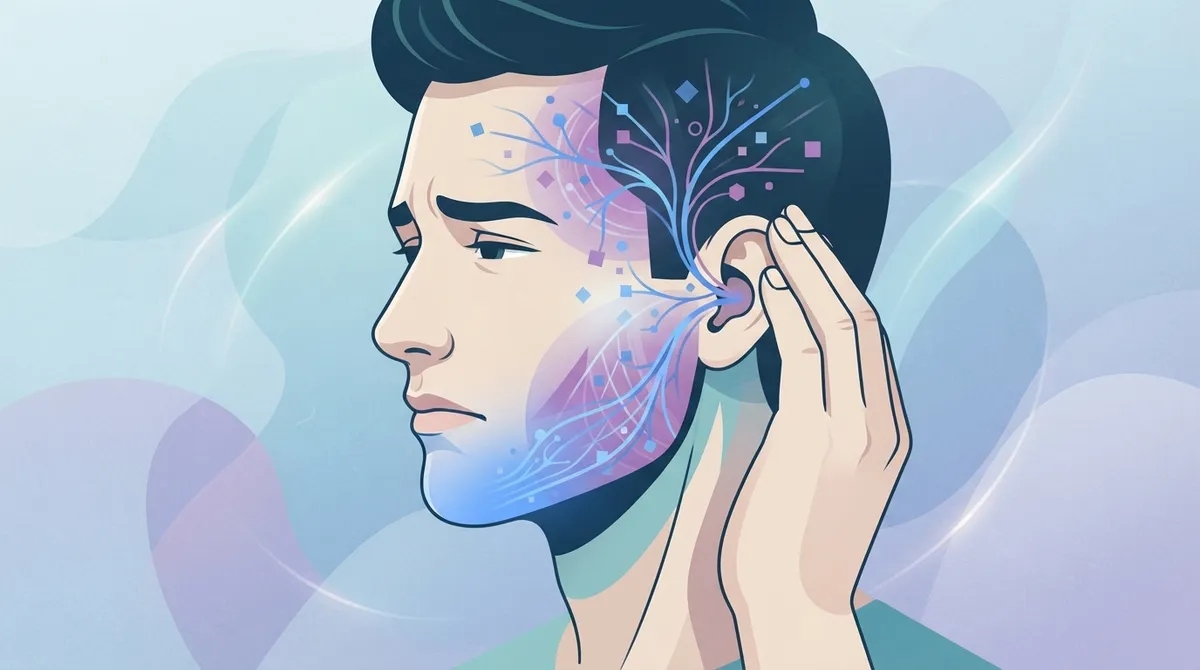
Yes, absolutely. This is one of the most common questions we hear from patients. Teeth grinding causes headaches because of the intense strain it puts on your jaw muscles, especially the temporalis muscle that sits along the side of your head.
When you clench your jaw all night, that muscle works overtime. It gets tight and sore, just like any other overworked muscle. This tension often spreads upward, causing a headache that feels like it’s wrapping around your temples or sitting behind your eyes.
Signs Your Headache Is Linked to Grinding
- You wake up with a headache almost every morning
- Your jaw feels sore or tight when you wake up
- The pain is centered around your temples
- Over-the-counter pain relievers only help a little
- Your partner mentions hearing you grind at night
If this sounds familiar, it’s worth mentioning to your dentist at your next visit. Our team routinely checks for grinding damage during comprehensive exams, so it doesn’t go unnoticed.
Can Teeth Grinding Cause Ear Pain Too?
Yes, and this connection surprises a lot of people. Your jaw joint, called the temporomandibular joint (TMJ), sits right in front of your ear. When grinding puts stress on this joint, it can create pain that feels like it’s coming from inside your ear.
Many patients even go to their doctor first, worried about an ear infection, only to find out their ears are perfectly healthy. The pain is actually referred pain from the jaw joint and surrounding muscles.
Ear Pain Symptoms Linked to Bruxism
- A dull ache in or around the ear, usually on one side
- A feeling of fullness or pressure in the ear
- Clicking or popping sounds when opening your mouth
- Pain that gets worse when chewing
- Ringing in the ears (tinnitus) in some cases
If you’ve been dealing with this, you’re not alone. Learn more in our article about why your jaw clicks or pops when you open your mouth.
How Grinding Connects to TMJ Disorders
TMJ, short for the temporomandibular joint, acts like a hinge connecting your jaw to your skull. It’s a small joint, but it does a lot of work every day, from talking to chewing to yawning.
Grinding puts constant strain on this joint. Over time, that strain can lead to a TMJ disorder, which brings a whole list of uncomfortable symptoms. Many of our patients at Dental Theory didn’t realize their headaches and ear pain were tied to TMJ until we explained the connection during a visit.
Symptoms of TMJ Disorder
| Symptom | How It Feels |
|---|---|
| Jaw pain | Aching or soreness near the jaw joint |
| Headaches | Tension-type pain around temples |
| Ear pain | Fullness or ache near the ear |
| Clicking sounds | Popping when chewing or opening mouth |
| Locked jaw | Difficulty opening or closing mouth fully |
You can read more about this topic in our detailed guide on the signs of TMJ disorder.
Other Symptoms That Often Come With Grinding
Headaches and ear pain aren’t the only things grinding can cause. Many patients experience a whole range of symptoms without realizing they’re all connected to the same habit.
- Worn down, flat, or chipped teeth
- Increased tooth sensitivity
- Sore or tight jaw muscles in the morning
- Neck and shoulder pain
- Disrupted sleep, even if you don’t remember waking up
If your teeth have started looking shorter or more worn, that’s a big clue. You may also want to explore our article on signs you’re grinding your teeth to see if it matches what you’re experiencing.
How Dentists Diagnose Teeth Grinding
Diagnosing bruxism usually starts with a simple conversation and a close look at your teeth. Dentists are trained to spot the subtle signs that patients often miss on their own.
What Happens During a Grinding Evaluation
- Your dentist reviews your symptoms, like headaches, ear pain, or jaw soreness
- They check your teeth for flat spots, chips, or excessive wear
- They examine your jaw joint for clicking, popping, or tenderness
- They may ask about your sleep habits and stress levels
- In some cases, they recommend a sleep study to rule out sleep apnea
This process is quick and painless. It’s part of what makes routine dental visits so valuable, even when you think everything looks fine on the surface.
Treatment Options for Teeth Grinding
The good news is that bruxism is very treatable. Once your dentist confirms grinding is behind your headaches or ear pain, there are several paths to relief.
Common Treatments Dentists Recommend
| Treatment | How It Helps |
|---|---|
| Custom night guard | Cushions teeth and reduces muscle strain during sleep |
| Stress management | Reduces daytime clenching triggered by anxiety |
| Bite correction | Fixes misalignment that contributes to grinding |
| Dental crowns | Restores teeth worn down from years of grinding |
| Physical therapy | Relieves tight jaw and neck muscles |
For patients whose teeth have already suffered damage from grinding, Dr. Chris Karapasha, known to patients as Dr. K, offers Same-Day Crowns to restore your smile in a single visit. There’s no need to wait weeks or come back for a second appointment. Dr. K uses only ceramic crowns, giving you a strong, natural-looking result that holds up well against grinding pressure. You can learn more about this option in our guide on what same-day crowns are and how they work.
Dr. K has built a strong reputation for cosmetic and restorative dentistry in Brandon. In fact, he was recently recognized as one of America’s Top Young Dentists in Incisal Edge magazine’s 2025 40 Under 40, a testament to his skill and dedication to patient care.
Simple Habits That May Reduce Grinding
While professional treatment is important, small daily changes can also make a difference. These won’t replace a dentist visit, but they can help reduce how often you grind.
Habits Worth Trying
- Cut back on caffeine, especially in the afternoon and evening
- Practice relaxation techniques before bed, like deep breathing
- Avoid chewing gum or pens throughout the day
- Keep a consistent sleep schedule
- Notice when you clench during the day and consciously relax your jaw
These small shifts add up over time. Combined with a night guard or other dental treatment, they can really cut down on symptoms like headaches and ear pain.
When Should You See a Dentist?
It’s easy to brush off a headache or ignore ear discomfort, especially if it comes and goes. But if these symptoms keep showing up, it’s worth getting checked out.
Signs It’s Time to Schedule a Visit
- You wake up with headaches multiple times a week
- Your jaw feels sore, tight, or clicks when you chew
- You’ve noticed your teeth look shorter or more worn down
- Ear pain persists even though your doctor says your ears are healthy
- Your partner tells you they hear grinding sounds at night
Our team at Dental Theory has helped countless Brandon families sort out these exact symptoms. We take time to listen, examine your bite, and build a plan that actually fits your life. You can see what our patients are saying by checking out Dental Theory on Google, or visit us on Facebook to stay updated on tips and patient stories.
Why Choose Dental Theory for Bruxism Treatment
Dental Theory is proud to be a trusted, family-focused dental practice right here in Brandon, Florida. We combine modern technology with a relaxed, friendly environment so every visit feels easy, not stressful.
Whether you need a custom night guard, a bite evaluation, or a same-day crown to repair grinding damage, our team is ready to help. We also offer flexible insurance options to make treatment more accessible for Brandon families.
Don’t let another week go by dealing with mystery headaches or ear pain. If you’re ready to get answers, schedule an appointment with our team today. Let’s find out what’s really going on and get you back to feeling like yourself.
Ready to stop the guessing game? Reach out to Dental Theory today and let’s take the first step toward relief.
FAQs
Q: Can teeth grinding really cause headaches?
A: Yes, it definitely can! When you grind your teeth, your jaw muscles get overworked, and that tension often spreads right up into your temples. Many folks are surprised to learn their morning headaches are actually coming from their jaw, not stress or dehydration.
Q: Why does teeth grinding cause ear pain?
A: Your jaw joint sits right next to your ear, so when grinding puts pressure on that joint, the pain can feel like it’s coming from inside your ear. It’s a sneaky connection, but once you know about it, it makes a lot of sense!
Q: How do I know if my headache is from grinding and not something else?
A: A good clue is timing. If you wake up with the headache and your jaw feels sore or tight too, grinding is likely the cause. Your dentist can check for worn teeth and jaw tenderness to confirm it during a routine visit.
Q: What’s the best treatment for grinding-related headaches and ear pain?
A: A custom night guard is usually the first step, since it protects your teeth and eases the pressure on your jaw while you sleep. If grinding has already worn down your teeth, options like same-day ceramic crowns can restore your smile in just one visit.
Q: Should I see a dentist or a doctor for grinding-related ear pain?
A: Start with your dentist! Since the pain usually comes from your jaw joint rather than an actual ear problem, a dental exam can quickly get to the root of it. If needed, your dentist can also refer you for additional care.
Our Service Area