Key Takeaways
-
Jaw clicking, popping, or grinding sounds combined with morning jaw pain and temple headaches are key warning signs of TMJ disorder that often get mistaken for other conditions like tooth infections or migraines.
-
TMJ disorder commonly stems from teeth grinding, stress-induced jaw clenching, poor bite alignment, jaw injuries, or arthritis—identifying your specific cause helps dentists create targeted treatment plans rather than one-size-fits-all solutions.
-
Frequently overlooked symptoms like ear pain without infection, ringing in the ears, dizziness, and tension headaches can indicate TMJ disorder, so mention these seemingly unrelated issues during dental checkups.
-
Daily habits like chewing gum, biting nails, sleeping on your stomach, and eating tough foods significantly worsen TMJ symptoms, so small lifestyle changes can provide noticeable pain relief.
-
Most TMJ cases respond well to treatment options including custom night guards, bite adjustments, physical therapy exercises, and stress management—early detection makes treatment simpler and faster than waiting years.
-
If you notice two or more TMJ signs lasting more than a few weeks, schedule a dental exam promptly; ignoring symptoms allows the condition to worsen and increasingly affect eating, sleeping, and daily activities.
Does your jaw click when you chew? Do you wake up with a sore face or a nagging headache? You might be dealing with TMJ disorder. This condition affects your jaw joint, and it’s more common than you think. Many folks in Brandon walk around with jaw pain for years, thinking it’s just normal stress. It’s not. Understanding what are the signs of TMJ disorder can help you get relief faster and protect your smile for years to come.
At Dental Theory, we see patients every week who had no idea their headaches, ear pain, or clicking jaw were connected to their bite. The good news? TMJ disorder is very treatable once you know what to look for. Let’s break down the warning signs, what causes them, and how you can find real relief right here in Brandon, Florida.
What Is TMJ Disorder, Exactly?
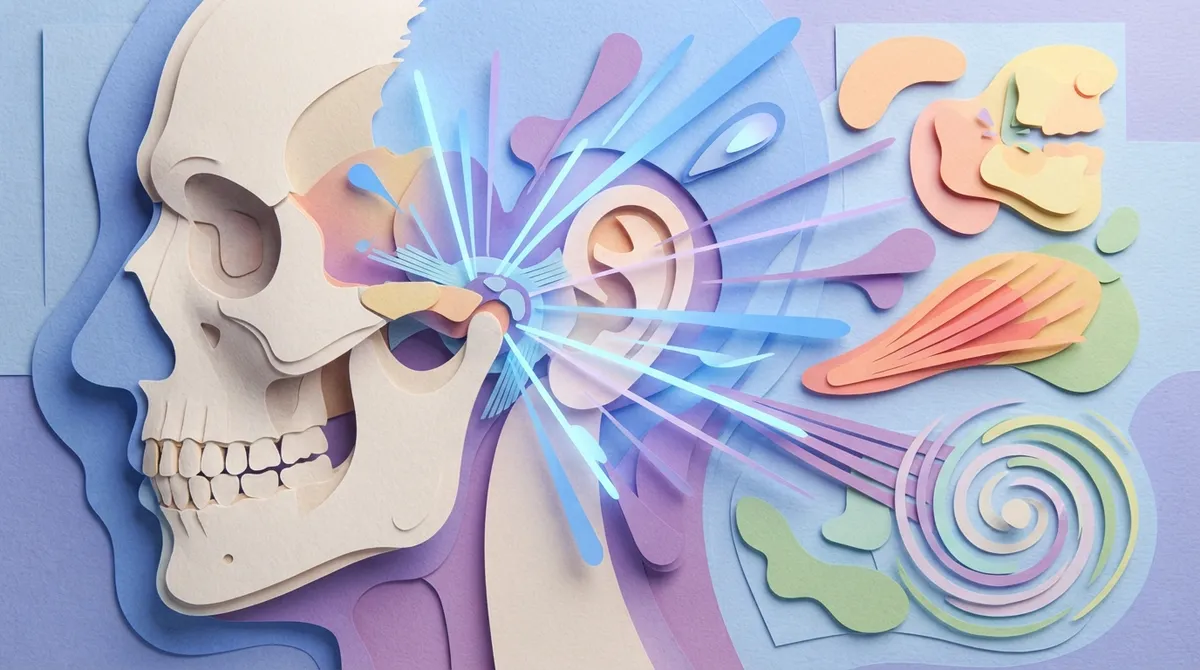
TMJ stands for temporomandibular joint. This is the hinge that connects your jawbone to your skull. You have one on each side of your face, right in front of your ears. These joints let you talk, chew, and yawn without thinking twice.
When something goes wrong with this joint or the muscles around it, doctors call it TMJ disorder, or sometimes TMD. It can happen from stress, teeth grinding, injury, or even arthritis. The tricky part is that TMJ pain often mimics other problems, like tooth pain or migraines. That’s why so many people miss the signs for months, sometimes years.
Top Signs of TMJ Disorder You Should Never Ignore
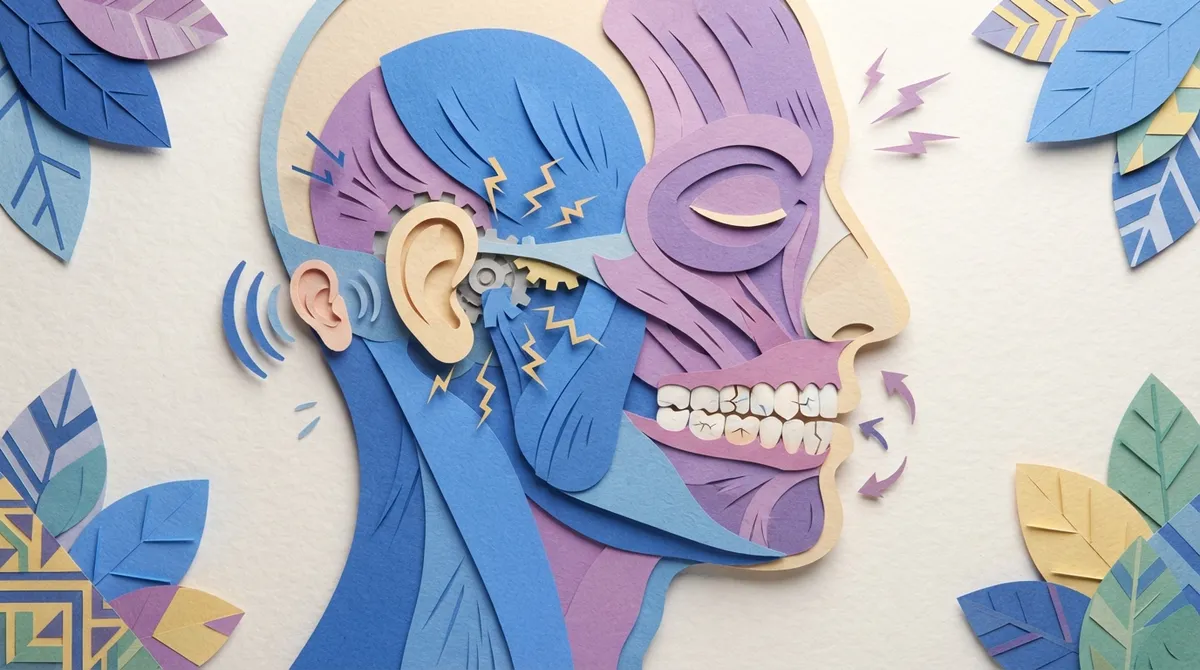
Your body gives you clues before things get worse. Here are the most common signs of TMJ disorder that dentists watch for during checkups.
- Clicking, popping, or grinding sounds when you open your mouth
- Jaw pain or soreness, especially in the morning
- Headaches that feel like they start near your temples
- Ear pain or ringing with no signs of infection
- Trouble opening your mouth wide or jaw locking in place
- Face pain or aching around your cheeks and jawline
- Neck and shoulder tension that won’t go away
- Teeth that feel worn down or flattened from grinding
If you notice two or more of these signs, it’s time to talk to a dentist. Left untreated, TMJ disorder can get worse and start affecting your daily life, from eating to sleeping.
Common Causes Behind TMJ Symptoms
TMJ disorder rarely shows up out of nowhere. It usually builds up from one or more of these habits or conditions.
- Teeth grinding (bruxism): Clenching your jaw at night puts huge pressure on the joint.
- Stress: Many people clench their jaw without noticing when they feel anxious.
- Bad bite alignment: When teeth don’t fit together well, the jaw works overtime.
- Jaw injury: A blow to the face or whiplash can damage the joint.
- Arthritis: This can wear down the cartilage in the jaw joint over time.
You can learn more about the connection between grinding and jaw pain in our post on sleep and your smile: understanding TMJ and bruxism. It’s a helpful read if you already suspect grinding is part of the problem.
TMJ Symptoms by Severity: A Quick Comparison
Not every case of TMJ disorder looks the same. Some people have mild, occasional symptoms. Others deal with constant pain that affects their whole day. Here’s a simple breakdown to help you figure out where you might fall.
| Symptom Level | What It Looks Like | What You Should Do |
|---|---|---|
| Mild | Occasional clicking, no real pain | Watch it, avoid hard foods, mention it at your next cleaning |
| Moderate | Regular jaw soreness, headaches a few times a week | Schedule a dental exam soon |
| Severe | Jaw locking, constant pain, trouble chewing | See a dentist right away for treatment options |
How Dentists Diagnose TMJ Disorder
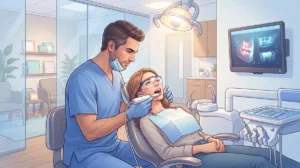
Getting a proper diagnosis is the first step toward feeling better. During a visit, your dentist will look at more than just your teeth. Here’s what typically happens during an exam.
- Your dentist asks about your symptoms, like pain location and how often it happens.
- They check your jaw movement and listen for clicking or popping sounds.
- They feel the muscles around your jaw and neck for tension or tenderness.
- They may take digital X-rays to look at the joint and bite alignment.
- They review your dental history, including any grinding or clenching habits.
Our team uses digital X-rays to get a clear picture of what’s happening beneath the surface. This helps us build a treatment plan that actually fits your needs, not a one-size-fits-all approach.
TMJ Disorder vs. Other Jaw Pain: How to Tell the Difference
People often confuse TMJ disorder with tooth pain, sinus issues, or even ear infections. Here’s a quick comparison to help you sort out what might be going on.
| Condition | Common Signs | Key Difference from TMJ |
|---|---|---|
| TMJ Disorder | Clicking jaw, headaches, ear pain, limited jaw movement | Pain worsens with chewing or wide yawning |
| Tooth Infection | Throbbing tooth pain, swelling, sensitivity to heat | Pain is centered on one tooth, not the joint |
| Sinus Infection | Facial pressure, stuffy nose, headache | No jaw clicking or locking involved |
| Ear Infection | Ear pain, hearing changes, fever | Usually comes with other cold or flu symptoms |
If you’re not sure which one applies to you, it’s always smart to get checked out. Our comprehensive exams can help rule out other causes and confirm whether TMJ disorder is the real issue.
Everyday Habits That Make TMJ Symptoms Worse
Some daily habits can quietly make your jaw pain worse without you even realizing it. Watch out for these common culprits.
- Chewing gum for long periods
- Biting your nails or chewing on pens
- Resting your chin on your hand often
- Eating tough, chewy, or crunchy foods regularly
- Sleeping on your stomach with your face pressed into the pillow
- Ignoring stress that leads to jaw clenching
Small changes in these habits can make a big difference in how your jaw feels day to day.
Treatment Options for TMJ Disorder
The good news is that most TMJ cases respond well to treatment. Depending on how severe your symptoms are, your dentist might suggest one or more of the following options.
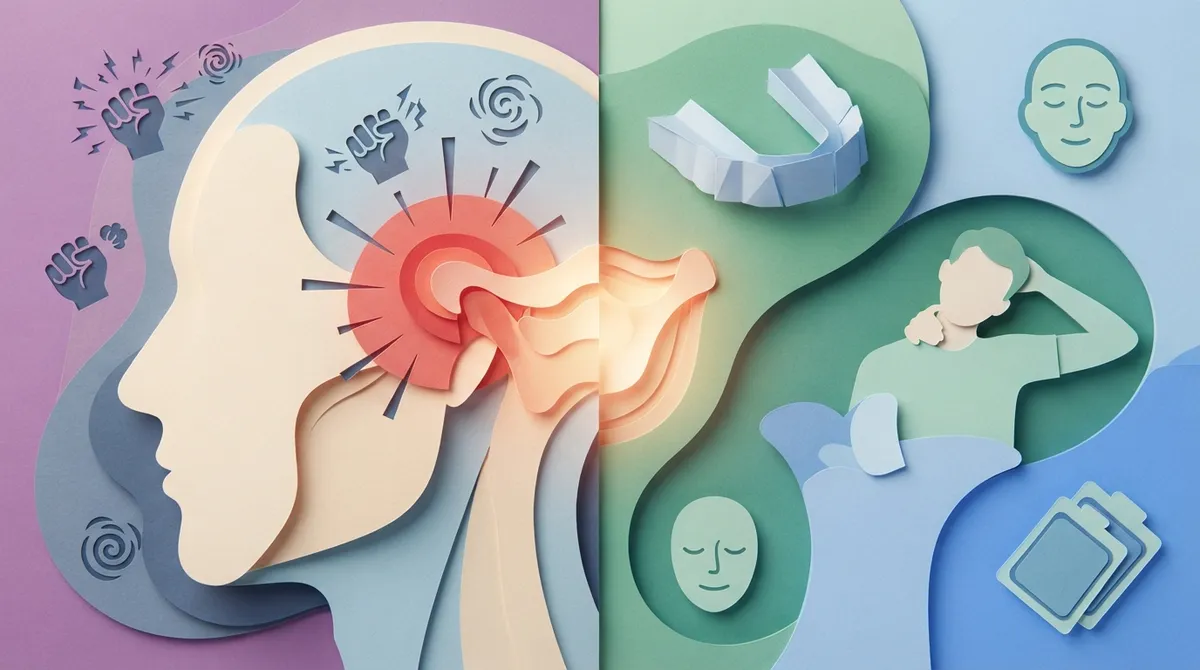
- Custom night guards: These protect your teeth and ease pressure on the jaw joint while you sleep.
- Bite adjustment: If your teeth don’t align properly, small corrections can relieve stress on the joint.
- Physical therapy exercises: Gentle jaw stretches can improve mobility and reduce pain.
- Stress management: Since clenching often ties back to anxiety, relaxation techniques can help a lot.
- Restorative dental work: In some cases, worn-down teeth need repair to restore a healthy bite.
Our TMJ rehabilitation program at Dental Theory is designed to address the root cause, not just mask the pain. We take time to understand your specific symptoms before recommending any treatment.
Why Choose Dental Theory for TMJ Care in Brandon
Dental Theory has become a trusted name for families across Brandon, Florida, and TMJ care is just one part of what we offer. Our husband and wife dentist team brings together years of combined experience to give patients thoughtful, personalized care. Dr. Chris Karapasha, known to patients as Dr. K, focuses on adult and cosmetic dentistry, and his expertise has even earned recognition. In fact, Dr. Chris Karapasha has been named one of America’s Top Young Dentists in Incisal Edge magazine’s 2025 40 Under 40.
If you’re dealing with jaw pain, worn teeth, or chronic headaches, our team can help you figure out what’s really going on. We also offer general dentistry services to keep your whole mouth healthy while we address your TMJ concerns. Want to see what other patients are saying? You can visit us on Google — Dental Theory to read real reviews from folks right here in Brandon.
Steps to Take If You Suspect TMJ Disorder
If you’ve noticed some of these signs in yourself, don’t wait for things to get worse. Here’s a simple plan to follow.
- Pay attention to when your symptoms happen, like after eating or waking up.
- Write down how often you notice clicking, pain, or headaches.
- Avoid hard or chewy foods until you get checked out.
- Try to reduce stress with simple relaxation habits.
- Book an appointment with a dentist experienced in TMJ care.
Catching TMJ disorder early makes treatment easier and faster. The longer you wait, the more strain builds up on your jaw joint.
Frequently Missed Signs of TMJ Disorder
Some symptoms don’t seem related to your jaw at all, which is why they’re often overlooked. These sneaky signs deserve extra attention.
- Ringing in the ears without any hearing loss
- Dizziness that comes and goes for no clear reason
- Tension headaches that feel like they wrap around your head
- Numbness or tingling in the face
- Difficulty fully closing your bite
If these symptoms sound familiar, it’s worth mentioning them at your next dental visit, even if they seem unrelated to your teeth.
Take the First Step Toward Relief
Living with jaw pain, headaches, or clicking sounds isn’t something you have to accept as normal. Understanding what are the signs of TMJ disorder is the first step toward finding real relief and getting back to feeling like yourself again. At Dental Theory, we combine modern technology with a friendly, stress-free approach to help patients across Brandon feel comfortable from the moment they walk in.
Whether your symptoms are mild or have been bothering you for years, our team is ready to help you find answers. Ready to stop guessing and start feeling better? Contact Dental Theory today to schedule your TMJ consultation, or schedule an appointment online at a time that works for you. You can also visit us on Facebook to see updates, patient stories, and more from our Brandon dental family.
FAQs
Q: What are the earliest signs of TMJ disorder?
A: The earliest signs are usually a clicking or popping sound when you open your mouth, along with mild jaw soreness in the morning. Many people also notice headaches near their temples before they connect the dots to their jaw. Catching these early signs means treatment can be simpler and faster!
Q: Can TMJ disorder cause ear pain?
A: Yes, it absolutely can! Since the jaw joint sits so close to the ear, TMJ disorder often causes ear pain, ringing, or a feeling of fullness. If your ears hurt but there’s no infection, your jaw joint might be the real culprit.
Q: Is TMJ disorder something that goes away on its own?
A: Sometimes mild cases improve with rest and reduced stress, but many cases need treatment to truly heal. Ignoring symptoms can let the problem get worse over time. We always recommend getting checked out so you can feel confident about what’s happening.
Q: How does a dentist treat TMJ disorder?
A: Treatment often starts with a custom night guard to protect your teeth and ease pressure on the joint. Depending on your symptoms, your dentist might also suggest bite adjustments or gentle jaw exercises. Every treatment plan should be tailored to your specific needs.
Q: When should I see a dentist for TMJ symptoms?
A: If you notice jaw clicking, frequent headaches, or trouble opening your mouth for more than a few weeks, it’s time to get checked. The sooner you address it, the easier treatment tends to be. Don’t wait until the pain becomes constant!
Our Service Area